Good tea – how to tell true tea quality?
Where does tea come from?
Tea originally comes from China – according to the legend of Shennong, it was already being drunk thousands of years before our era, though the first written records date back to around the 10th century BC. A few hundred years later, the first decorated vessels for brewing and drinking tea appeared. By the 6th century BC, it was already well known at the imperial court. Around the start of our era, tea began appearing in other Asian countries, largely thanks to Buddhist monks, who took a real liking to the drink. Over time, it spread to Korea, Mongolia, Tibet, and eventually Japan. As tea's popularity has grown, one question keeps coming up more and more: how can you tell true tea quality?
Wherever it goes, tea is met with great appreciation and rapid popularity, and it's even become a symbol of protest at times, as famously happened in Boston. Along the way, new varieties, serving methods and traditions have emerged – you could say it's a truly revolutionary plant. Today, everyone knows tea, and in many countries it's become something far more than just a drink. How does its popularity, and the demand for it, affect its quality? And how can we know we're buying good-quality tea?

Organic teas
Where does tea come from?
One way to feel confident you're buying good-quality tea is to check whether it comes from organic cultivation. So what does organic cultivation actually involve?
- No pesticides or growth accelerants are used in organic cultivation
- Every batch of tea is checked for its mineral content
- To carry the "green leaf" symbol on its packaging, the mark of organic food in Europe, a producer must meet strict certification standards and undergo regular inspections by an organic food certification body
This gives us confidence that the tea we receive is free from heavy metals and chemicals. Good green tea most often comes from exactly this kind of cultivation.
How can you tell good-quality green tea?
It's actually fairly easy to judge the quality of the green tea you're drinking, and even easier when it comes to matcha, Japan's powdered green tea – read more about matcha and its properties here. Here's what matters when choosing your tea:
- Price – tea doesn't grow in Poland, so it's worth bearing in mind the cost involved in importing, growing and properly storing it. If you're buying very cheap tea, there's a good chance it's either low quality or sourced unethically.
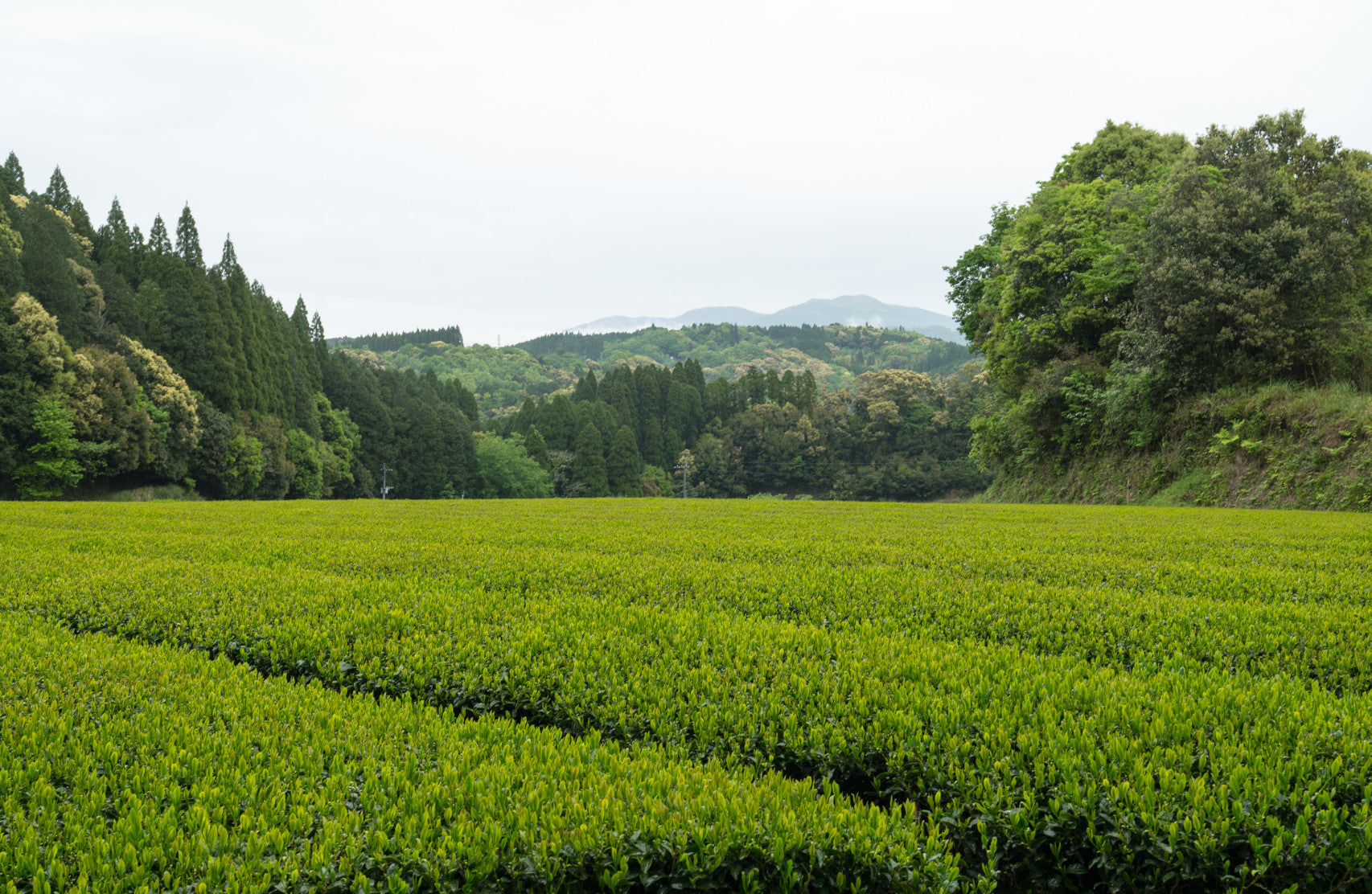
- Origin – Japan is famous for producing the finest green teas; it's there that this type of tea enjoys the greatest popularity and the highest regard.
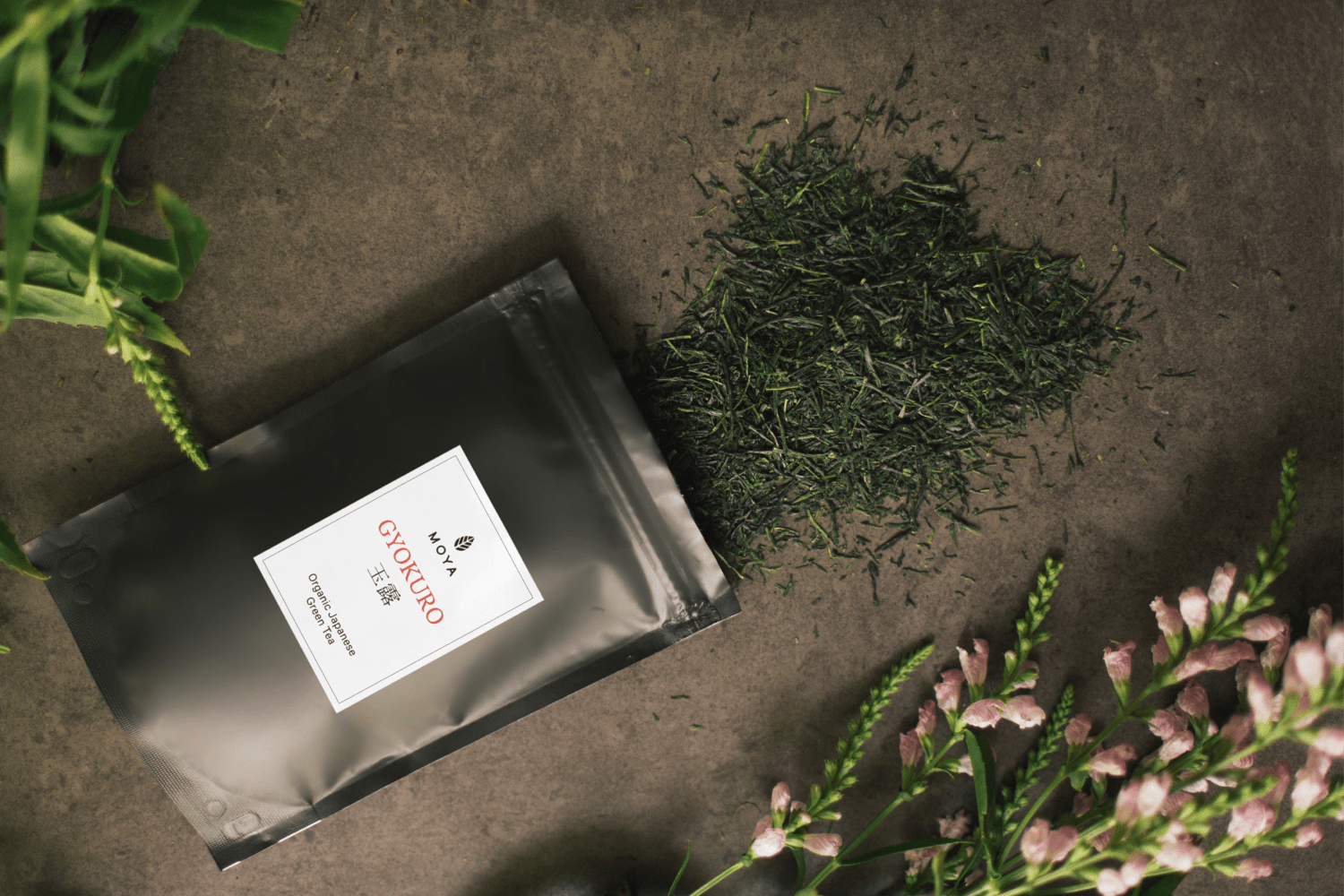
- Storage – green tea is light-sensitive and very vulnerable to its surroundings; if loose-leaf tea or matcha is stored in clear packaging, it will quickly lose its colour, flavour, aroma and properties
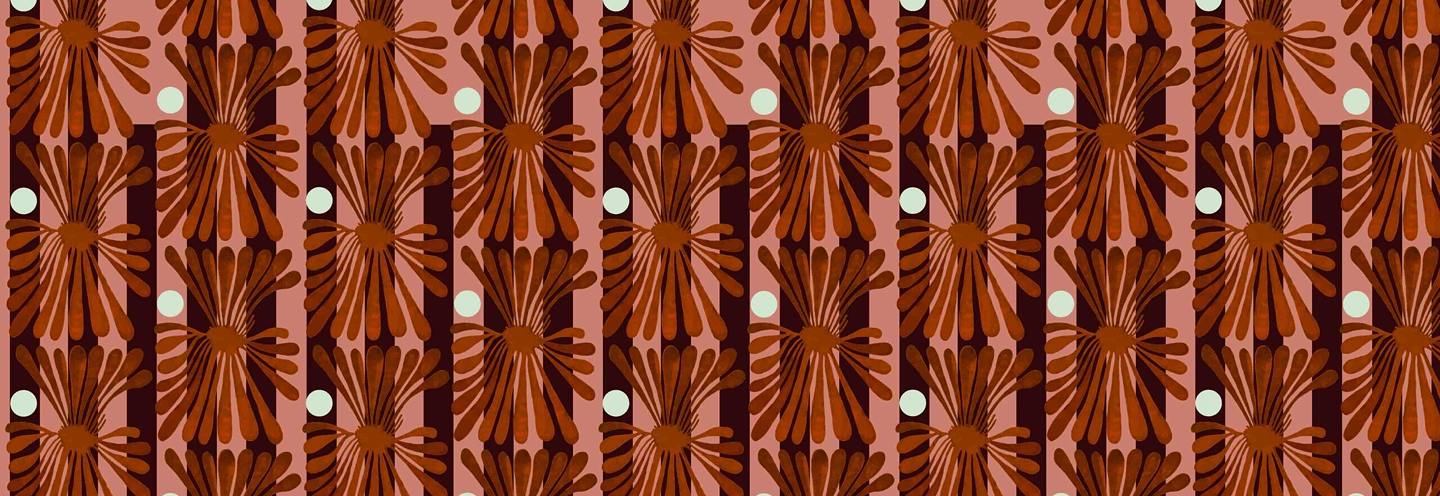
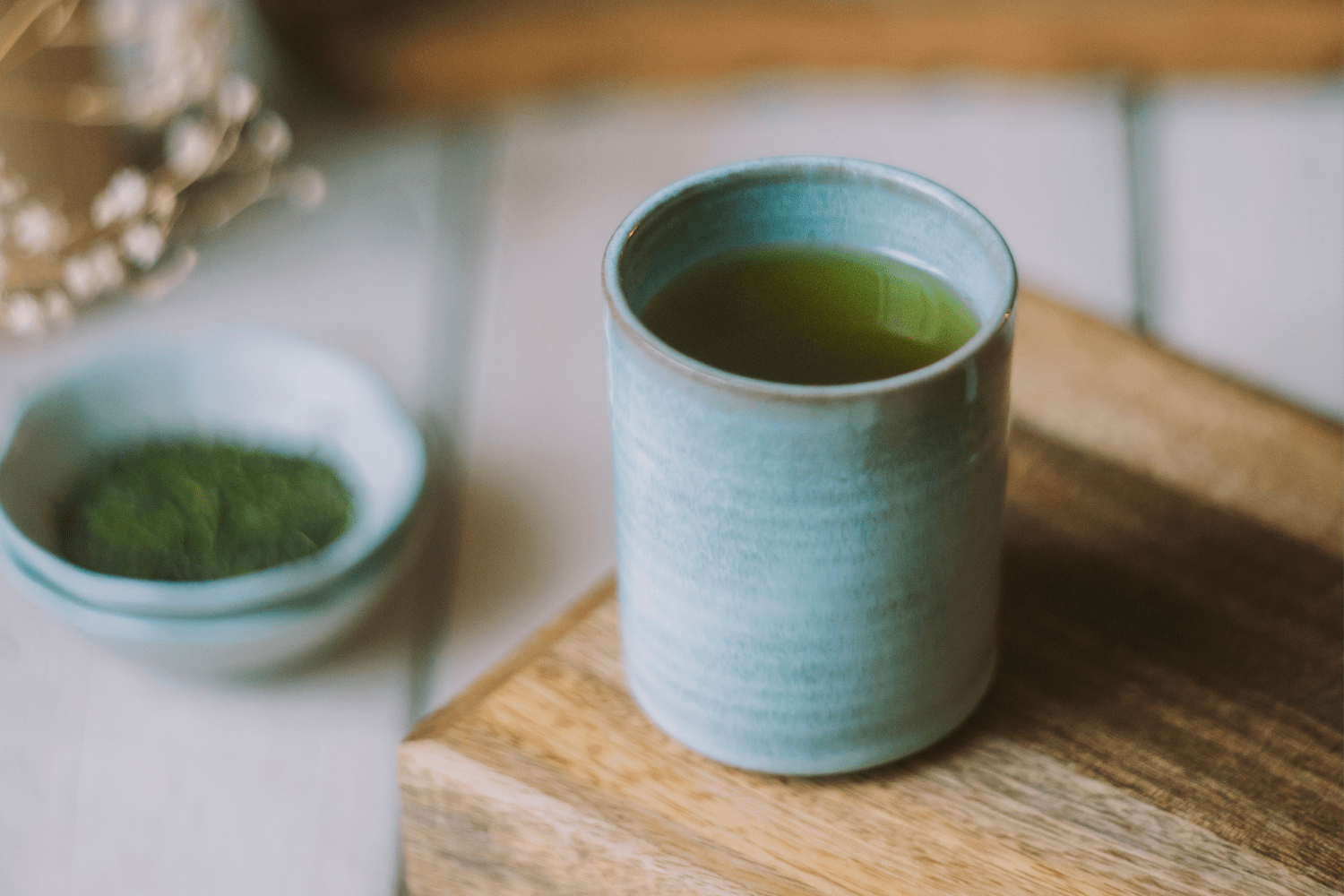
Once your purchase is made and it's time to taste the tea, it's worth checking whether the producer has included brewing instructions – this is usually a good sign of trustworthiness. Following the producer's guidance, the resulting infusion should have a delicate colour, a slightly grassy aroma, and a flavour full of umami. A good tea to give as a gift isn't just about the quality of the dried leaves, but also about beautiful packaging. The patterned tins of Moya Matcha, designed by studio KAASKAS, are unique little works of art, perfect for gifting. They're also available in gift sets paired with ceramics from small local workshops. Good green tea makes a wonderfully versatile gift for many occasions, for anyone who loves tea, Japan, or simply appreciates high-quality products.