Catechins in green tea
The properties of catechins in green tea
Green tea, in its many varieties, has devoted fans all over the world – for thousands of years, it's been valued for its distinctive flavour, aroma and health benefits. So why is it so good for you? A large part of the answer lies in the catechins found in tea – natural compounds with a powerful antioxidant effect. Read on to find out what catechins are, how much of them green tea contains, what properties they have, and why it's worth reaching for this drink more often.
What are catechins?
Catechins belong to the group of organic polyphenolic compounds. More specifically, they belong to flavanols, which are found in abundance in vegetables, fruit, cocoa and green tea. Among flavanols, several distinct compounds stand out, such as catechin, epicatechin and epigallocatechin gallate, each with its own valuable health benefits. It's worth taking a closer look at the properties of catechins, as they have antioxidant, antibacterial, anti-cancer, anti-clotting, anti-inflammatory and antiviral effects. Thanks to their antioxidant action, catechins can help protect us from oxidative stress, which contributes to the development of many chronic diseases. Antioxidants also help eliminate free radicals, and their action helps slow down the body's ageing process. Makes you want to reach for a cup of tea or a bowl of matcha right away!

Catechins in green tea
Among flavanols, we can distinguish:
- Catechin
- Epicatechin
- Epigallocatechin gallate – the main polyphenol found in green tea, known by the abbreviation EGCG
Each of these compounds has a wide-ranging effect on the human body. Catechins play a significant role in preventing cardiovascular disease. Early research into epicatechins has documented improvements in muscle cell growth and repair. EGCG is the catechin found in the greatest quantity in green tea, and among its many properties, it's worth noting that it inhibits the development of tumours, improves bone health and has a beneficial effect on the weight-loss process.
Which green tea should you choose?
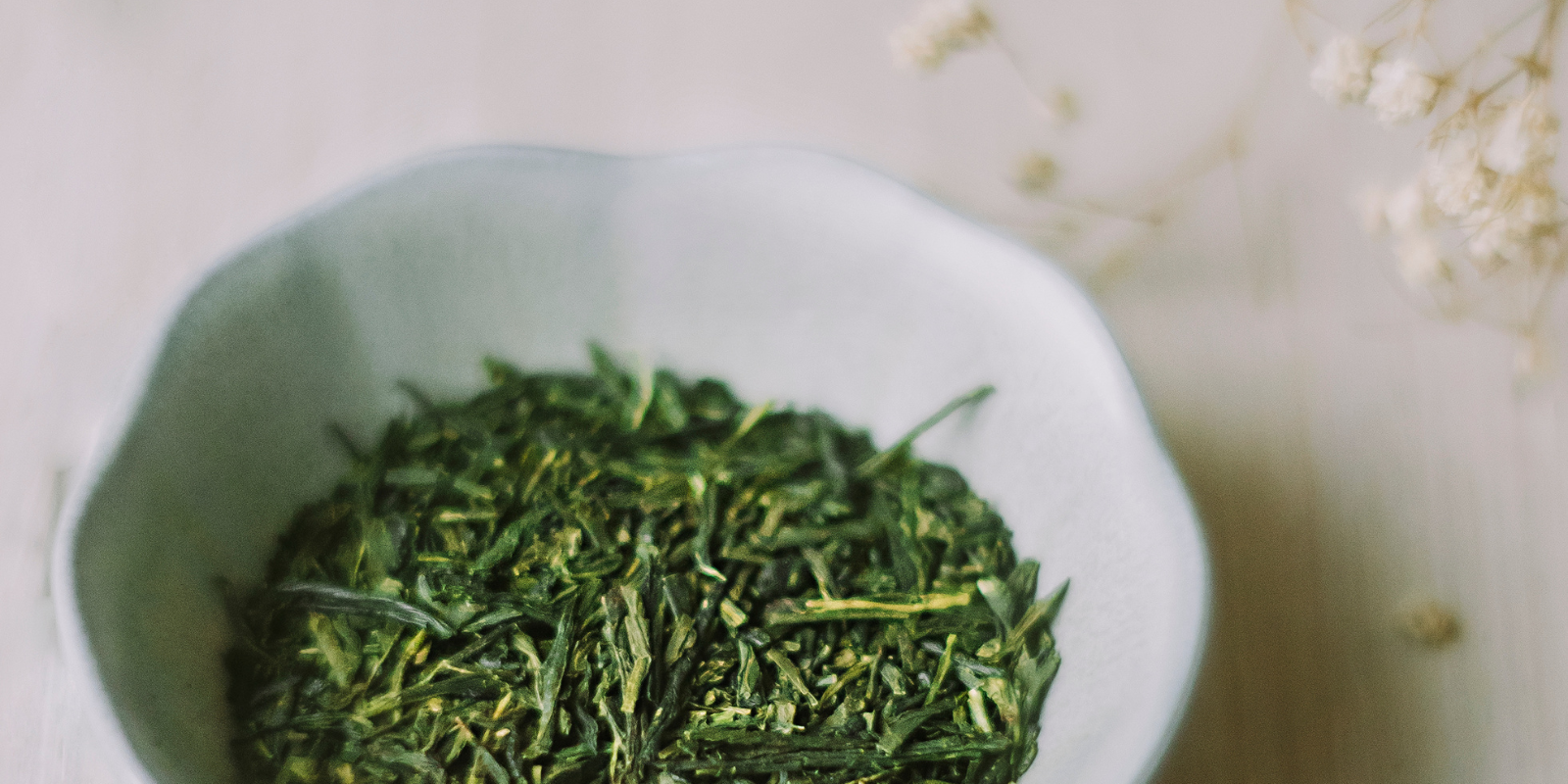
The world of green tea is incredibly rich. Everyone can find one whose flavour and aroma suits them best. When buying tea, it's worth checking whether it comes from organic farming, as this has a big impact on its quality. If catechin content is your main priority when choosing, matcha is a great choice. This is a Japanese powdered green tea, grown using the shading method, which gives matcha the highest catechin content and a wealth of wonderful health benefits. You can read more about matcha HERE. Fans of leaf tea will certainly find something for them among Moya's Japanese leaf teas. One interesting option is genmaicha – green tea blended with roasted rice. For lovers of the classics, there's always sencha, with its slightly sweet, refreshing flavour.
Summary
Green tea is rich in organic polyphenolic compounds, more specifically flavanols, which are divided into several types of catechins. Each of these has numerous health benefits – they have antioxidant, anti-cancer and antiviral effects. What's more, catechins in tea help slow down the body's ageing process and support the metabolism. So when buying tea, it's worth choosing organic dried leaves or matcha – the powdered green tea with the highest content of these valuable catechins.