Sencha – a tea classic
What is sencha?
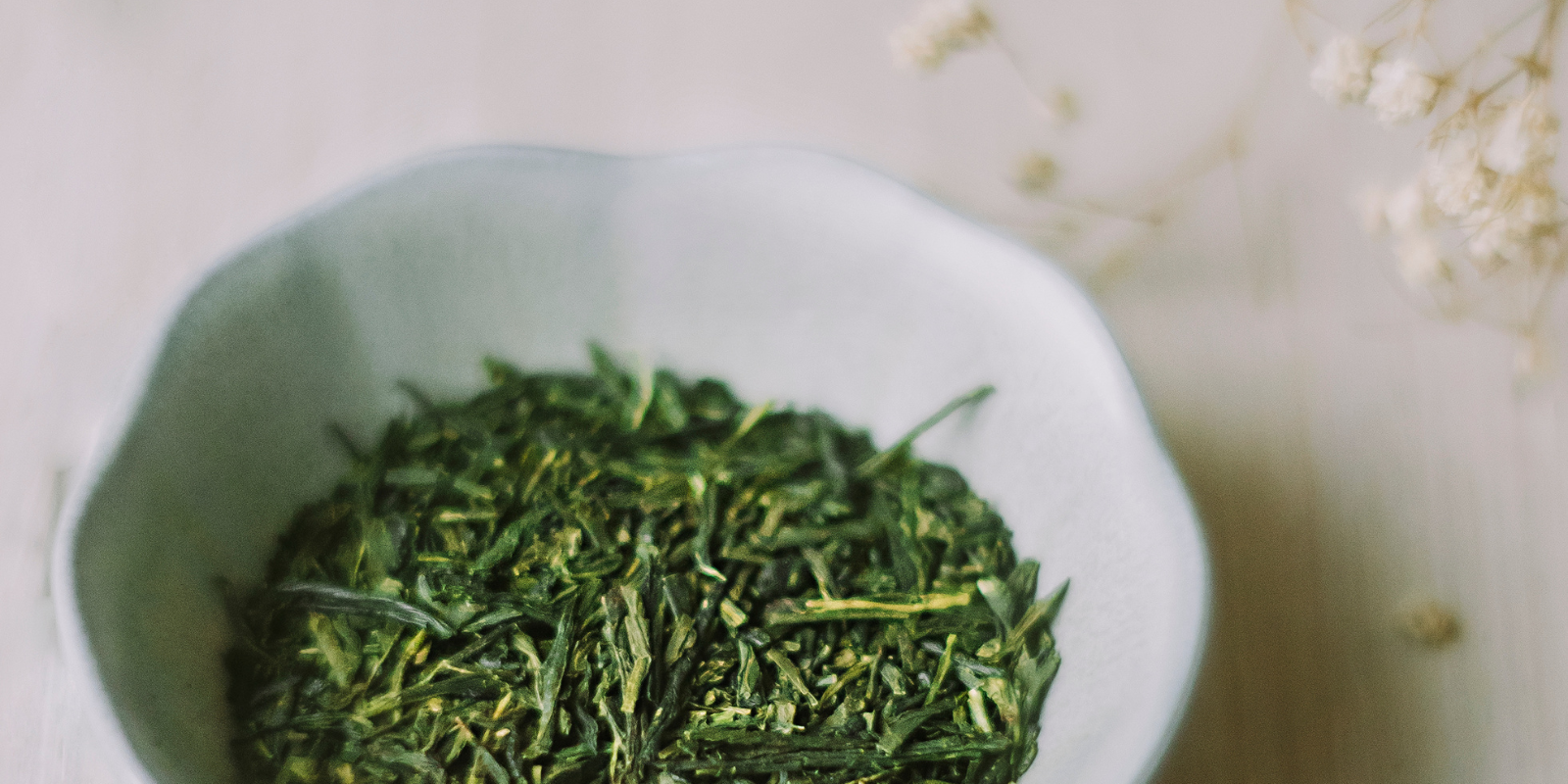
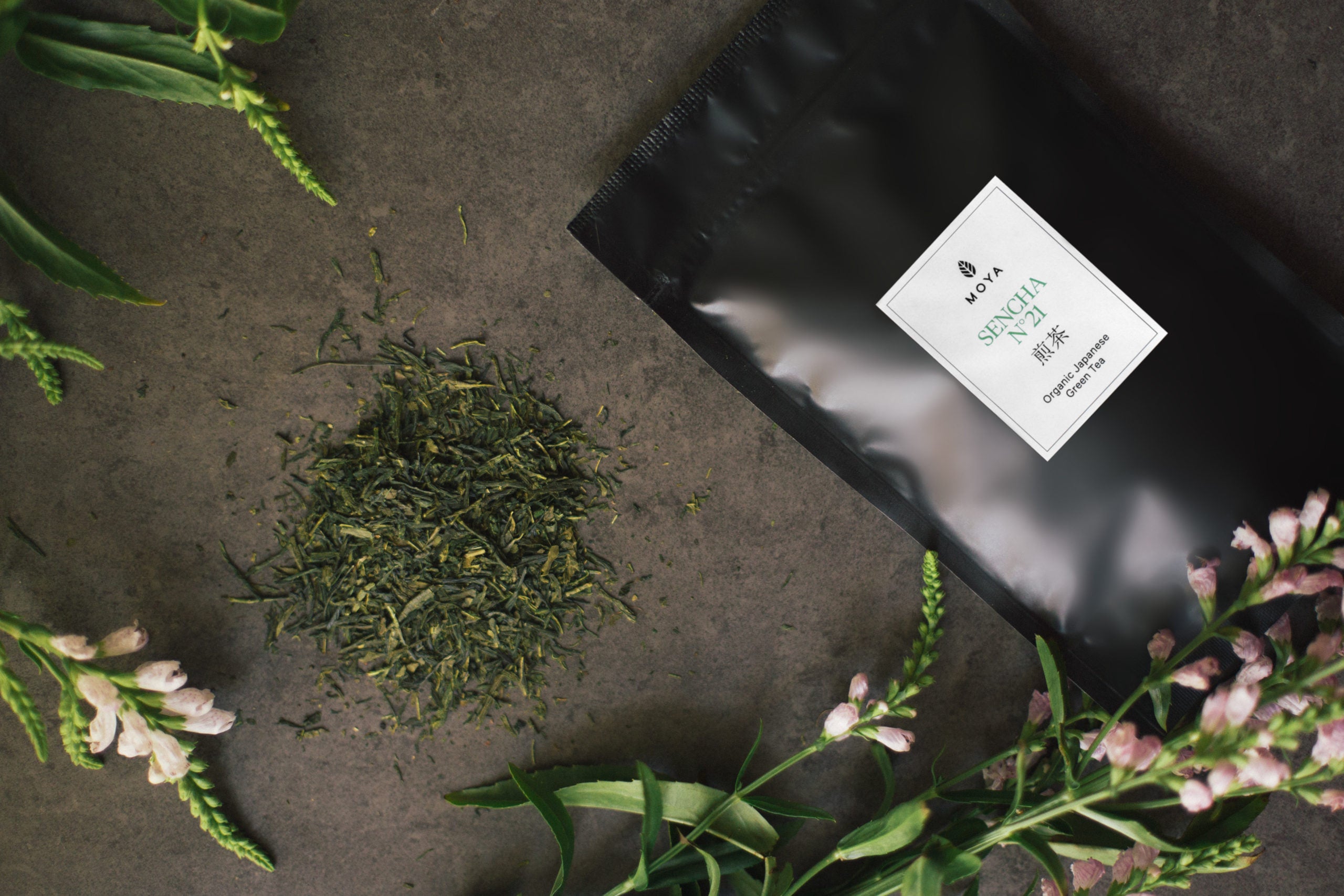
Japanese green tea sencha is the most widely cultivated tea in Japan, and as a result, also the most well-known Japanese green tea in the world. Like most teas, sencha comes from the Camellia sinensis plant. The timing of the harvest matters here – the earlier this green tea is picked, the higher its value and the better its flavour. The first sencha harvest – shincha – takes place at the start of spring and ends towards the end of May, just before summer begins. Once picked, the leaves are steamed to halt the fermentation process, preserving their valuable nutrients. The sencha leaves are then dried and rolled into thin, needle-like shapes. This Japanese green tea has a slightly sweet, refreshing flavour and a golden-green colour when brewed. Its aroma is reminiscent of fresh spring grass, and it's wonderfully refreshing.
The history of sencha
For centuries in Japan, leaf tea wasn't particularly popular, as powdered green matcha tea was the main tea grown and drunk. Sencha wouldn't have become widespread without the parallel development of tea ceramics. In the 18th century, a new type of tea ceremony emerged, centred around loose-leaf green tea for the first time. As sencha's popularity grew, its cultivation became mechanised, and at its peak it accounted for as much as 75% of all tea-growing land in Japan. The sencha we know today doesn't taste quite the same as it did 300 years ago, largely due to advances in transport. In the past, more time passed between harvesting and processing the tea, which caused the leaves to wilt, lose moisture and oxidise slightly. Nowadays, the leaves are processed before they have time to wilt, allowing them to retain more chlorophyll, which gives the tea its more intense colour and flavour. It's interesting to wonder whether sencha always had the same properties it has today – older generations in Japan may well remember a completely different flavour of this tea.
The properties of sencha tea
Sencha is grown in many regions of Japan, and Moya's sencha comes from organic farms on the island of Kyushu, where the climate is ideal for growing high-quality green tea. Organic cultivation also means it's free from pesticides or artificial plant protection products. Like all Japanese green tea, sencha has plenty of beneficial properties, which certainly makes it worth drinking. It's a great way to start the day, as it's high in caffeine, which provides an energy boost and speeds up the metabolism. Who knows, it might even replace your morning coffee from time to time? Its leaves are rich in antioxidants, vitamin C and beta-carotene, and drinking it helps rid the body of toxins and slow down the ageing process. It's also recommended after heavier meals, as it aids digestion. It's a wonderful alternative to coffee or other energy drinks. Order some for your home to experience its health benefits for yourself, and enjoy its flavour from your favourite cup.
How to prepare sencha
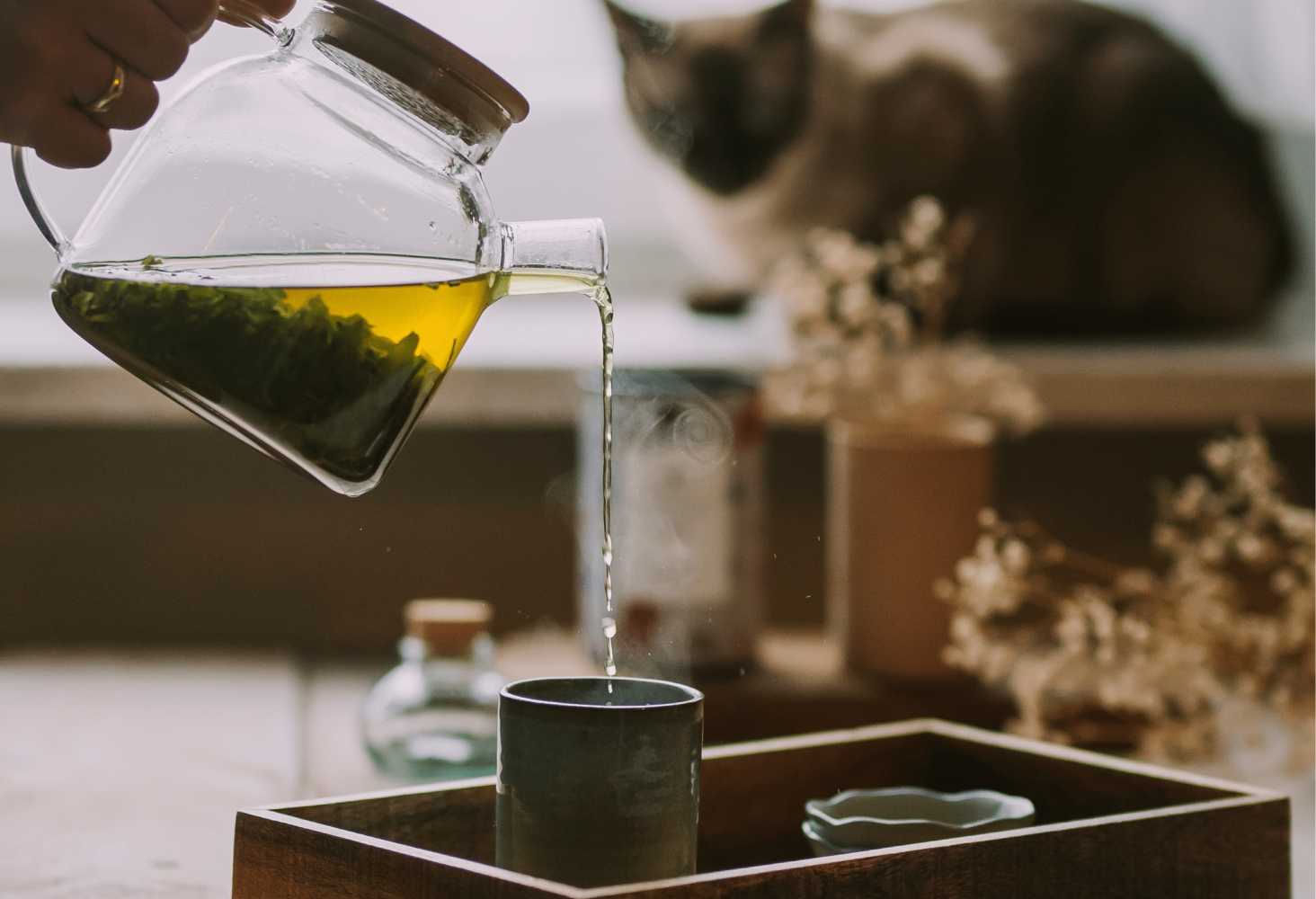
To get the flavour, aroma and benefits described above, it's worth brewing your sencha green tea correctly. As with most green teas, water temperature is one of the key factors in preparing sencha. It should be between 70 and 80 degrees. For 150ml of water, you'll need around 2-3 grams of tea, with a brewing time of 2 minutes. Once used, the leaves can be brewed up to 3 more times, so you can enjoy the flavour of sencha for even longer.