Bancha – Japan's everyday tea
What is bancha?
Bancha green tea is a very popular loose-leaf tea in the land of the rising sun. Its name in Japanese can be understood as cha – tea, and ban – everyday or late, referring to when the tea leaves are harvested. The Japanese often reach for bancha green tea because of its low caffeine content and fairly neutral flavour compared to sencha. This makes it a Japanese green tea suited to everyone, and one you can enjoy at any time of day. Brewed bancha has a golden-yellow hue and a strong, distinctly tea-like flavour with a gentle bitterness and a hint of walnut. Although this tea might seem fairly ordinary at first, bancha is highly valued for its positive effects on the human body. If you're a regular green tea drinker, you're sure to appreciate its flavour.
How is bancha made?
Family-run farms on the Japanese island of Kyushu grow Moya Bancha green tea according to sustainable, organic farming principles. Like all of Moya's teas, bancha is also certified organic. It's harvested later than sencha, specifically in late summer or early autumn. Its leaves – thicker, more fleshy and with more pronounced veining – come from the lower part of the tea bush. These factors contribute to a higher content of healthy tannins, as the leaves growing on the bush undergo photosynthesis for a longer period. Plant tannins, also known simply as tannins, are compounds also found in wine, coffee, nuts and legumes. Tannins have anti-inflammatory and detoxifying properties, and they're also what gives these foods the bitterness you've probably noticed before. Producers sometimes use bancha instead of sencha to make teas such as roasted green hojicha or rice-infused genmaicha.
The properties of bancha green tea
Bancha green tea has a slightly alkaline nature, which helps neutralise excess acidity in the body and supports healthy digestion. It's worth drinking if you're dealing with heartburn or have overeaten. Its low caffeine content, for a Japanese green tea, means it can be enjoyed by children and by anyone looking to cut down on this stimulating substance. Like other green teas, bancha also boasts a high antioxidant content, so it's no surprise that it holds its own against other teas in this respect. Drinking it helps slow down the body's ageing process and lower levels of bad cholesterol.
An interesting fact about bancha tea is its soothing effect on insect bites, something we'll definitely be putting to the test this summer :). Some sources also claim that in Japan, bancha is used to treat jellyfish stings. So it seems its calming effect might extend beyond frayed nerves to irritated skin too. Our online shop offers loose-leaf bancha tea from organic Japanese farms, meaning it's free from any traces of heavy metals or pesticides.
How to prepare bancha
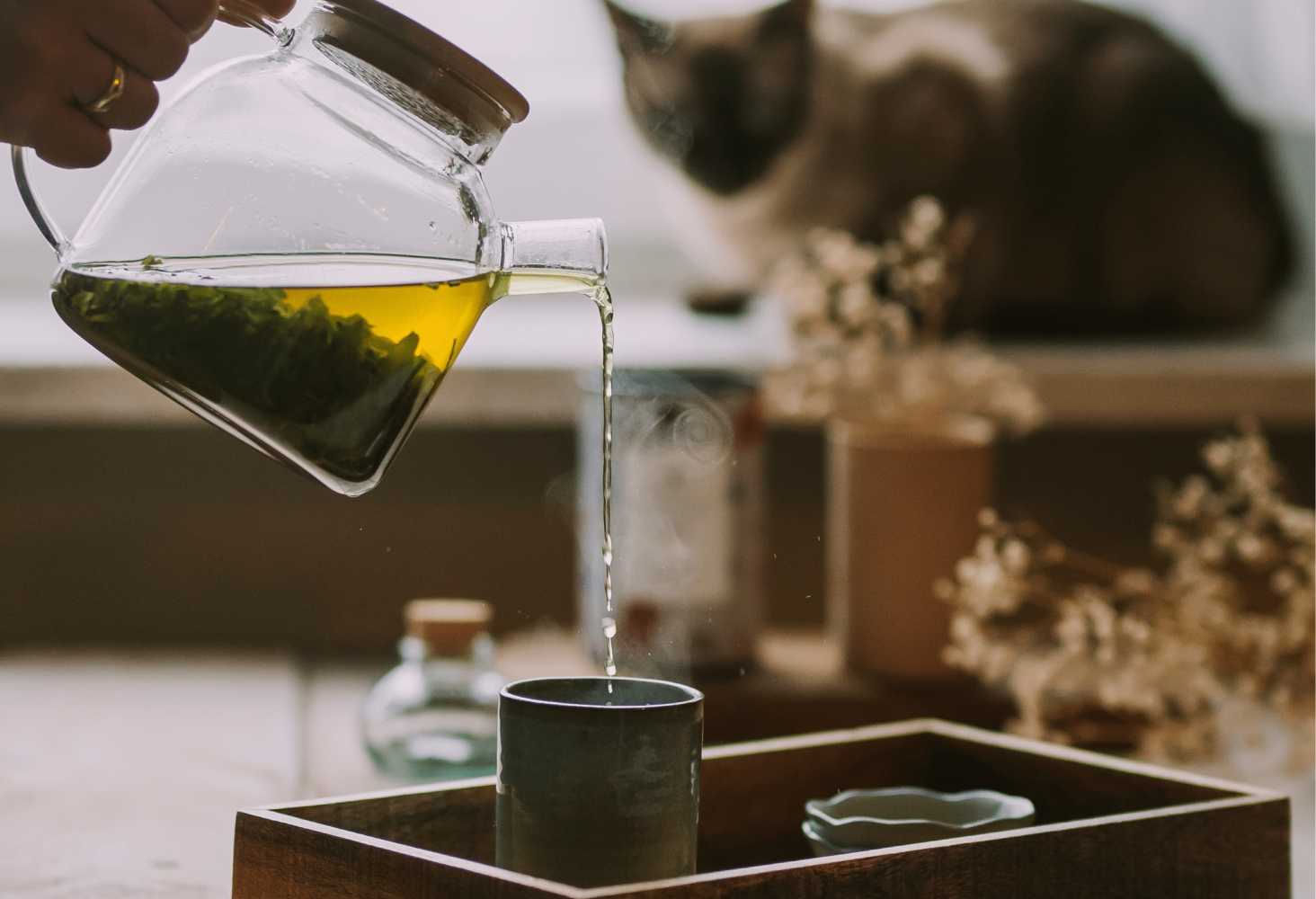
Bancha green tea needs to be prepared correctly to fully enjoy its flavour and properties. For 150ml of water, use 3-4 grams of tea. Don't pour boiling water directly over the leaves – it's best if the water is between 70 and 80 degrees. Brew the tea for around 3-4 minutes, depending on your preference. A shorter brewing time will give a milder flavour. It's worth following these guidelines to discover the true taste of bancha tea.