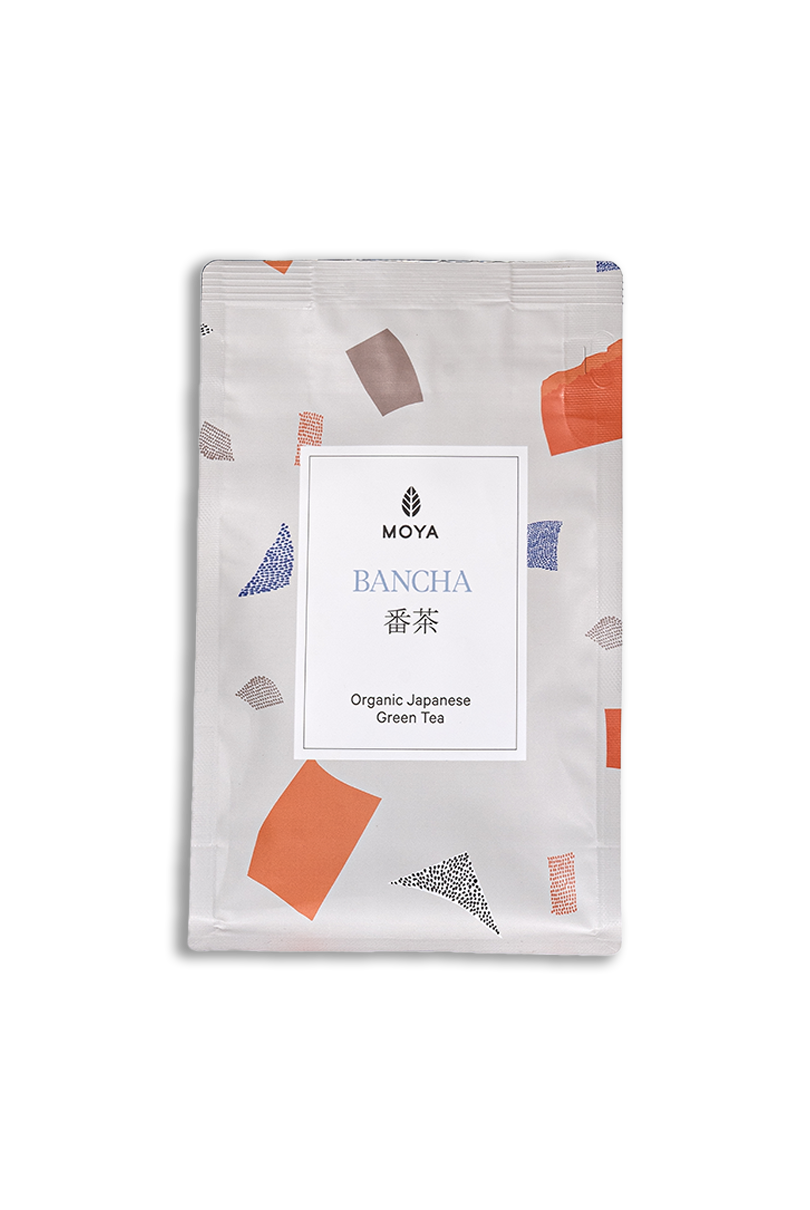
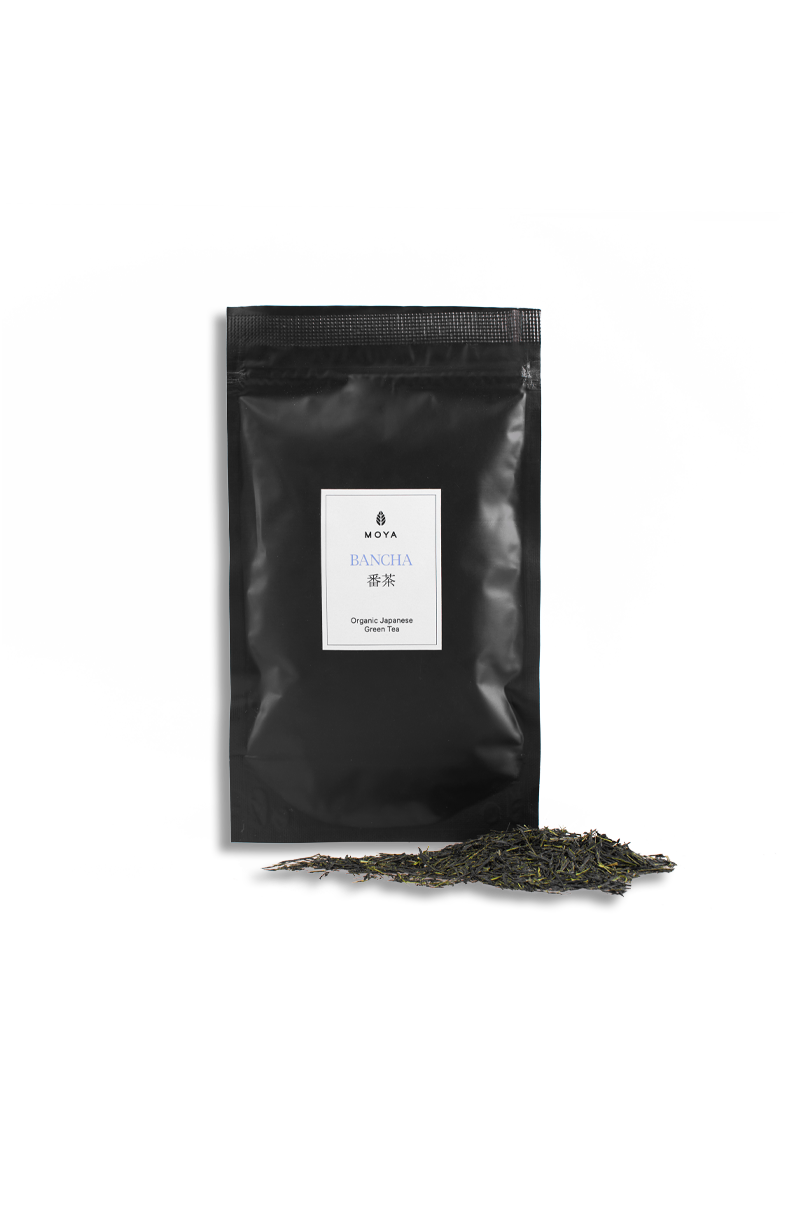
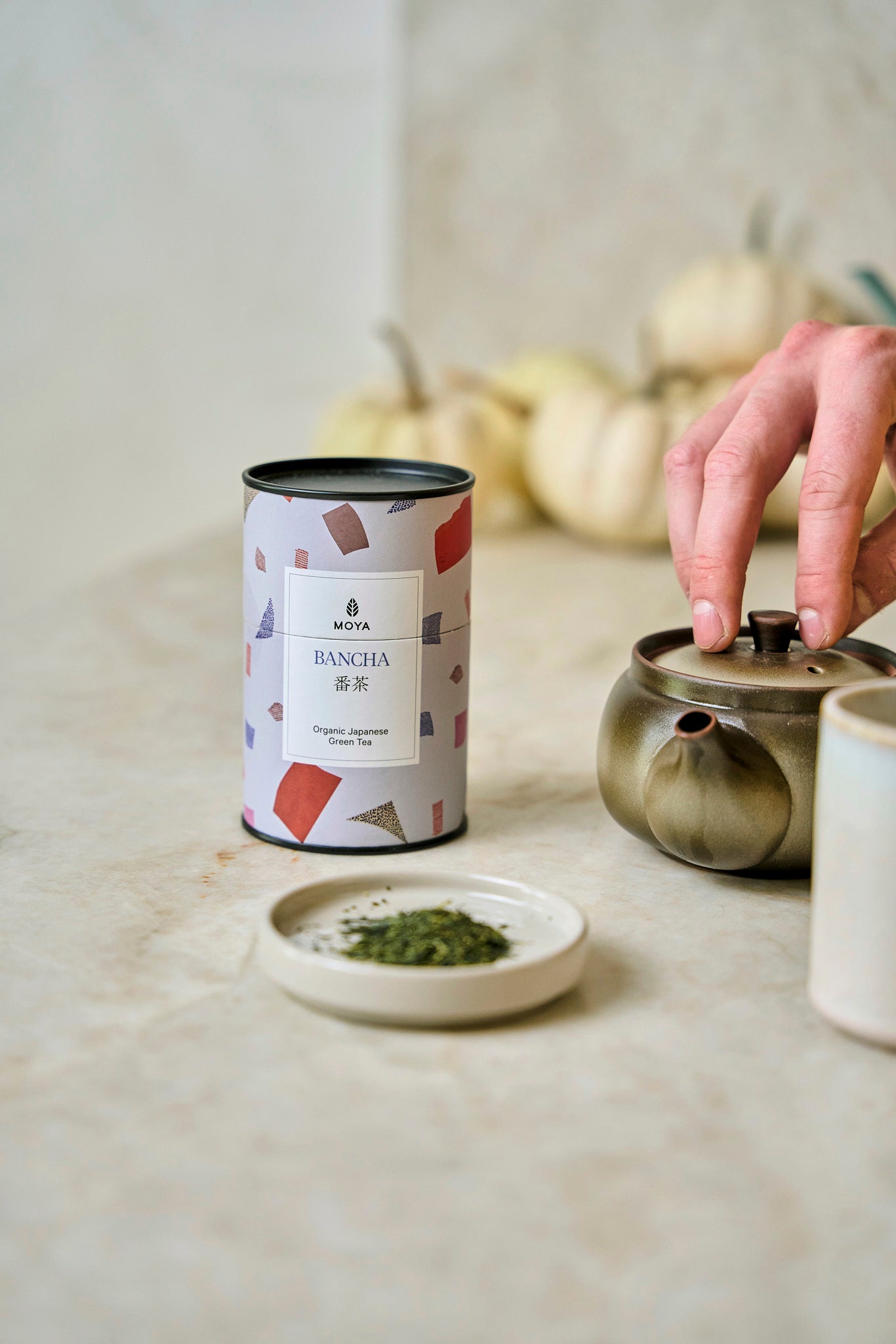
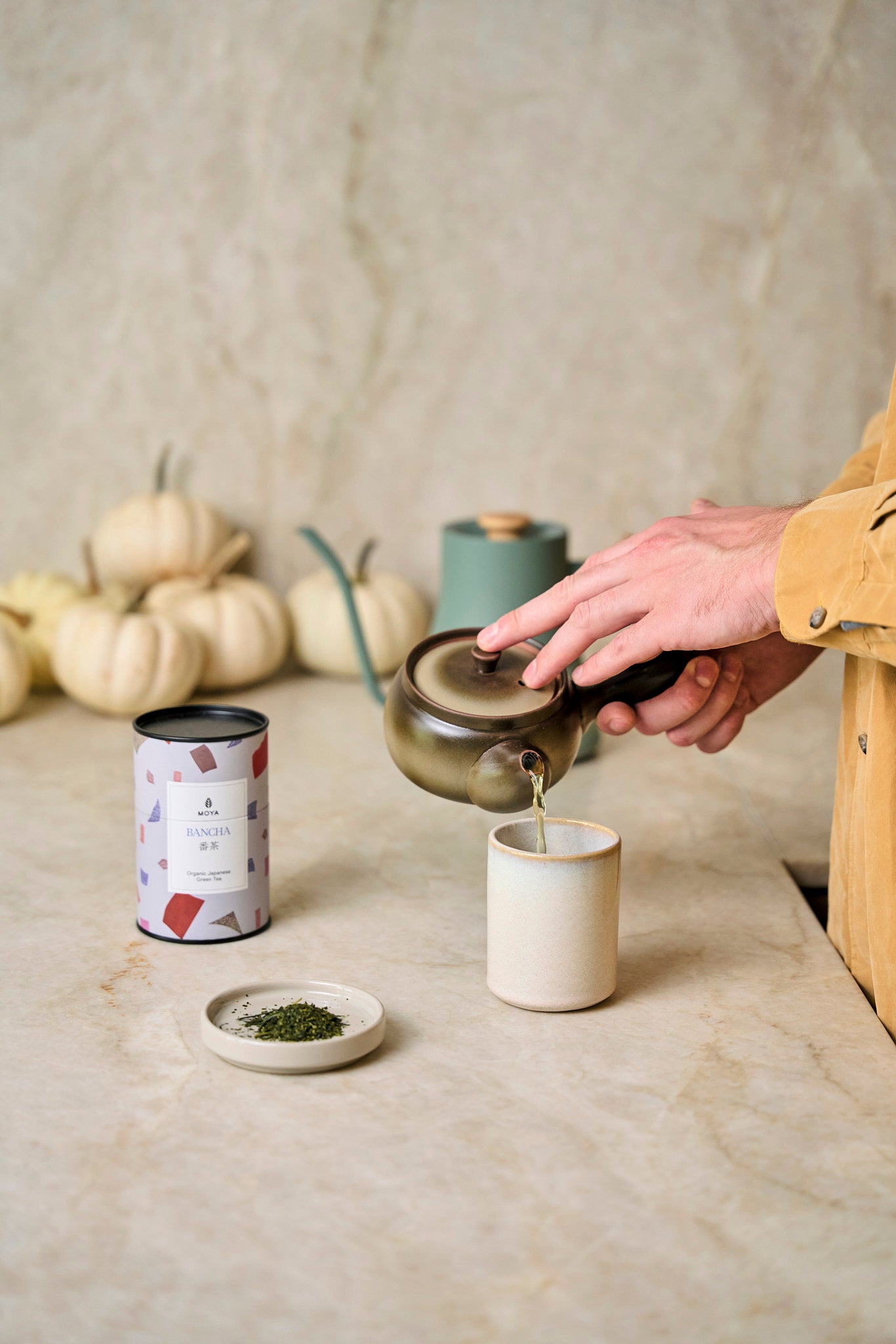
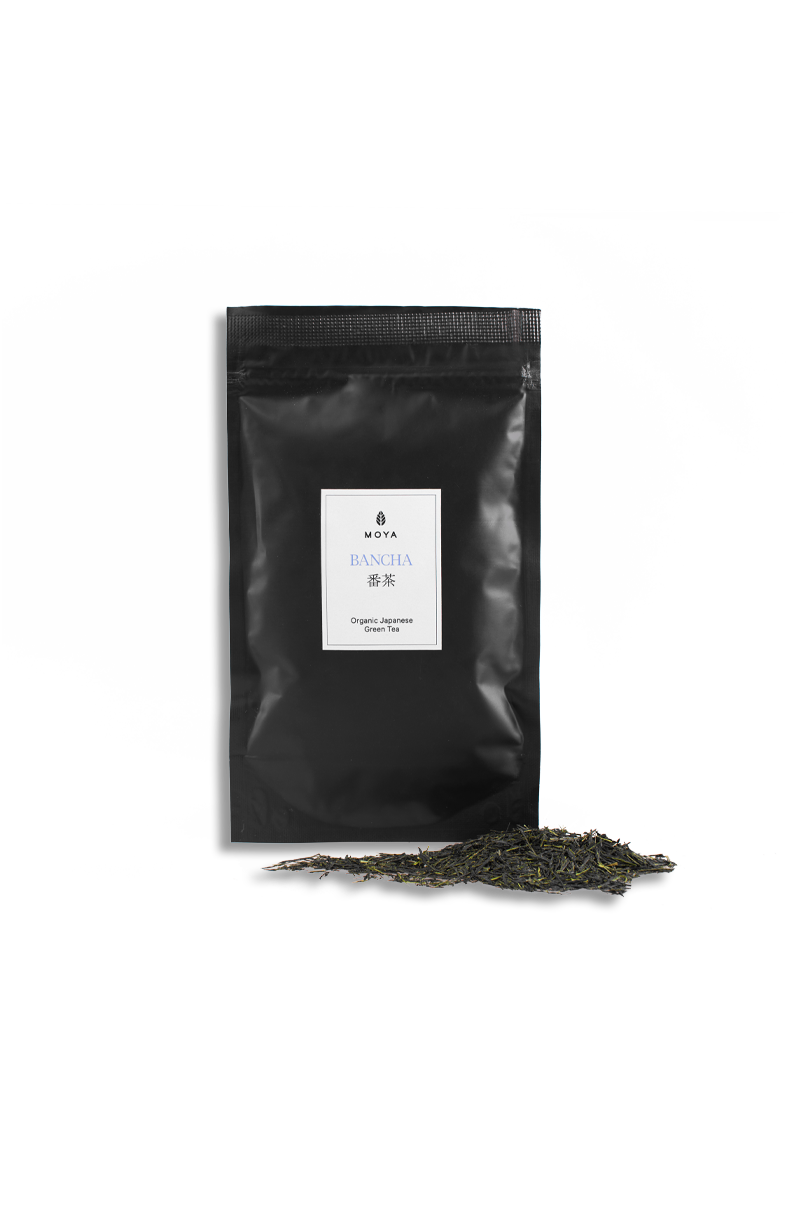
Moya Bancha Organic Japanese Green Tea
Lowest price in 30 days: 8,48 zł
Free deliveryfrom PLN 150
Fast shippingwe ship within 24 hours
Secure paymentpay via PayU
Discounts up to 20%for regular customers
Choose options
Moya Bancha Organic Japanese Green Tea
Lowest price in 30 days: 8,48 zł
Bancha, Japan's Everyday Tea
Bancha is a Japanese green tea made from mature leaves, with a yellow-gold color and a tangy aroma. It has a distinctive walnut aftertaste and is perfect for everyday drinking, at any time of day.
The name bancha (番茶) comes from the words "ban" and "cha". In Japanese, "cha" means tea, while "ban" refers to something "everyday", "common", or "late". Bancha is one of the most popular green teas in Japan. Unlike the equally beloved sencha, it has a milder flavor and lower caffeine content. Like kukicha, it's a great choice for anyone sensitive to caffeine.
Moya Bancha is made from the Yutakamidori, Okumidori, Yabukita, Saemidori, Asanoka, and Asatsuyu varieties, grown on organic farms in the Kagoshima, Mie, and Miyazaki prefectures.
Bancha vs. Sencha
Sencha is made from young Camellia sinensis leaves picked in spring and early summer, while bancha comes from the lower, more mature leaves picked in summer and early autumn. These leaves are tougher and less fragrant, which is why bancha is more affordable. Although bancha's production process is similar to sencha's, it also goes through an additional roasting step. This gives it a different flavor and set of properties, and thanks to its low caffeine content, it can be enjoyed at any time of day - with meals, for example - and can also be given to children. A 200 ml cup contains only about 15-25 mg of this stimulating compound.
How does bancha differ from sencha?
| Bancha | Sencha | |
| Harvest | Later | Early |
| Flavor |
Sweet, nutty, mild |
Sweet, umami, grassy |
|
Caffeine content per 200 ml |
About 15-25 mg | About 20-40 mg |
| Best time to drink | Any time of day | First half of the day |
How to brew bancha?
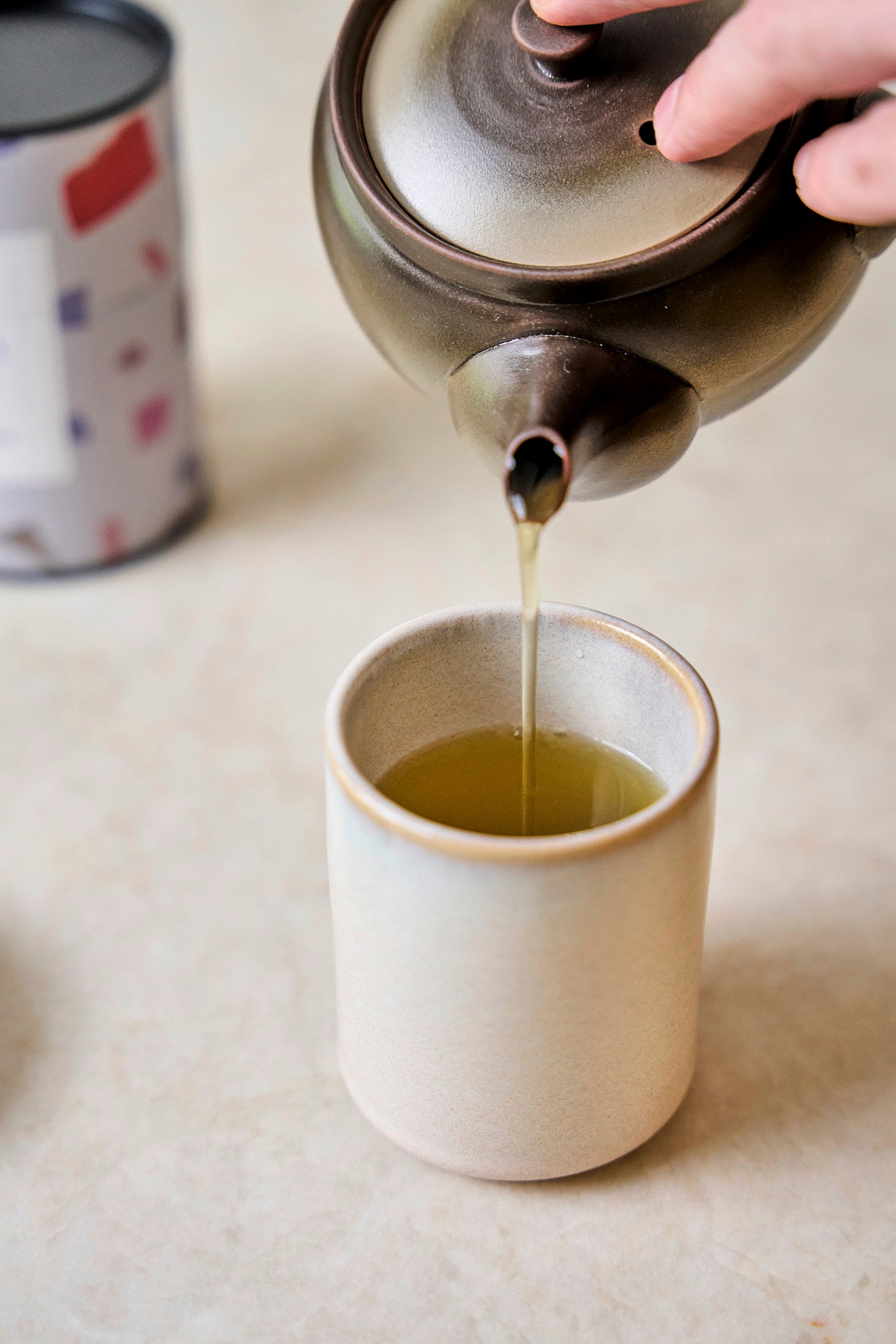
To make Moya Bancha, measure out 3-4 g of leaves per 200 ml of water at a temperature of 70-80°C. Let it brew for about 3-4 minutes. You can repeat this two more times.
Benefits of bancha
Drinking bancha regularly, like other green teas, offers a range of health benefits. Above all, it's a source of catechins and antioxidants. It supports the immune system, improves
Amount of tea: 3-4 g per 200 ml
Water temperature: 70-80°C
Brewing time: 3-4 min
Number of infusions: 2
How to make cold brew bancha?
Moya teas taste wonderful cold, too, and making cold brew is really simple. Just add the right amount of leaves to a bottle and pour in filtered water. Pop it in the fridge for about 7-12 hours, and your tea will be ready to enjoy!
Amount of tea: 7 g (about 3-4 teaspoons) per 350 ml or 15 g (about 6-7 teaspoons) per 750 ml
Brewing time: 7-12 hours
Which tea is for you?
Check out our loose leaf tea collection

Moya Hojicha Organic Japanese Green Tea
Roasted green tea with a nutty, caramel flavor, devoid of bitterness. It will appeal to black tea lovers. It is characterized by a low caffeine content, making it a good choice for the afternoon and evening.
Sale priceFrom 38,86 zł

Moya Kukicha Organic Japanese Green Tea
A delicate green tea with a honey-nut aftertaste and umami notes. Due to its very low caffeine content, it is recommended for evening consumption. It also works great for cold brewing.
Sale priceFrom 38,86 zł

Moya Wakocha Organic Japanese Black Tea
An unconventional black tea from Japan. It pairs well with meals and desserts, cutting through their sweetness with its flavor. It stands out with its amber-colored infusion.
Sale priceFrom 43,20 zł
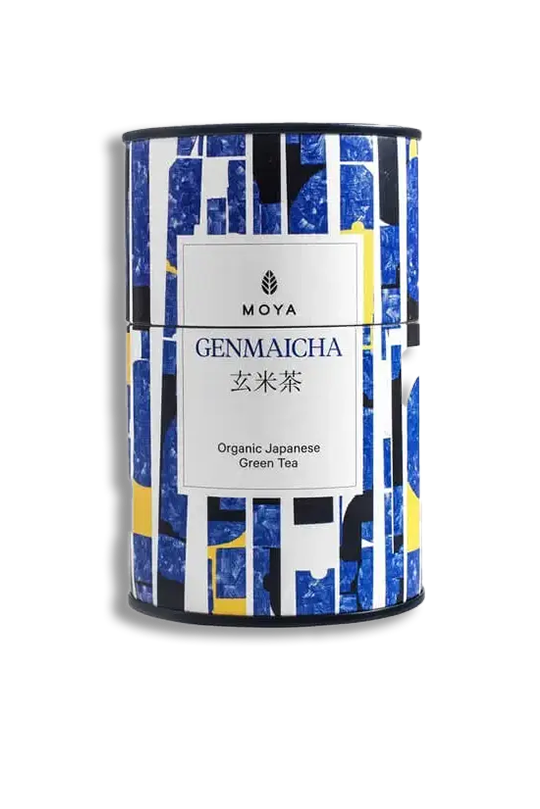
Moya Genmaicha Organic Japanese Green Tea
An iconic green tea. A combination of organic sencha and toasted rice grains. Known for its beneficial effects on the digestive system, which is why it is traditionally consumed with meals.
Sale priceFrom 43,20 zł

Moya Matcha Iri Genmaicha Organic Japanese Green Tea
A unique combination of sencha, matcha, and toasted rice grains. Its fresh, sweet-buttery taste, complemented by umami notes, will be loved by green tea and sushi enthusiasts. Recommended for drinking in the first half of the day.
Sale priceFrom 38,86 zł

Moya Yuzu Tea Organic Japanese Green Tea
A refreshing option for fans of fruit teas. A combination of classic sencha and aromatic yuzu peel with a perfectly balanced taste and slightly sour notes. Recommended for drinking all day long.
Sale priceFrom 43,20 zł

Moya Sencha No. 21 Organic Japanese Green Tea
The most popular tea in Japan. Its refreshing sweetness combined with grassy and buttery notes makes Sencha an ideal choice for an introduction to green teas. It is perfect both in the morning and after lunch.
Sale priceFrom 43,20 zł
Moya Bancha Organic Japanese Green Tea
Daily green tea, often served with meals. Suitable for drinking at any time of day. It is characterized by a distinct walnut aftertaste.
Sale priceFrom 38,86 zł
FAQ
Would you like to learn more?
We suggest three ways to prepare matcha. The first is the traditional preparation in a bowl using a chasen whisk, using “M” or “Z” shaped motions. Matcha can also be prepared in a mug or bowl using a milk frother. The third way is to prepare matcha in a shaker or bottle – simply add the matcha to the liquid and shake vigorously for 30 seconds. The optimal water temperature for matcha is approximately 80°C. Higher temperatures will cause the matcha to lose its nutritional value. You can also easily prepare matcha in cold water. The optimal amount of matcha is about 1.5 g of powder per 200-250 ml of liquid.
The most versatile and frequently chosen option is Traditional Matcha. It comes from the first and second harvest of leaves, which contributes to a moderate level of bitterness and a distinct umami taste. It is an excellent choice for drinking with water as well as in the form of matcha lattes and smoothies. For experienced matcha connoisseurs, we recommend Luxury Matcha from the first harvest, which is perfect for drinking with water and contains the most nutrients. If you like an intense flavor and use matcha mostly for matcha lattes, smoothies, desserts, and baked goods, choose Daily Matcha, which comes from the second and third harvest.
Matcha is very sensitive to sunlight and high temperatures, which can cause it to lose its properties. Matcha should be stored in its original, sealed packaging in a shaded, cool place, preferably in the refrigerator. This will ensure it stays fresh for a long time.
Loose-leaf tea is consumed as an infusion, meaning what the leaves release into the water. Matcha, on the other hand, consists of powdered tea leaves that are consumed in their entirety after being mixed with liquid. By drinking matcha, you are therefore consuming the whole leaves. In this way, all the nutrients contained within them enter your body. Furthermore, matcha is several times more potent than loose-leaf tea.
Be inspired
Matcha recipes
Hojicha latte has plenty of fans all over the world. It's made using powdered hojicha, a little water, and frothed milk. But before we get to drinking it, it's worth explaining what this powder act...
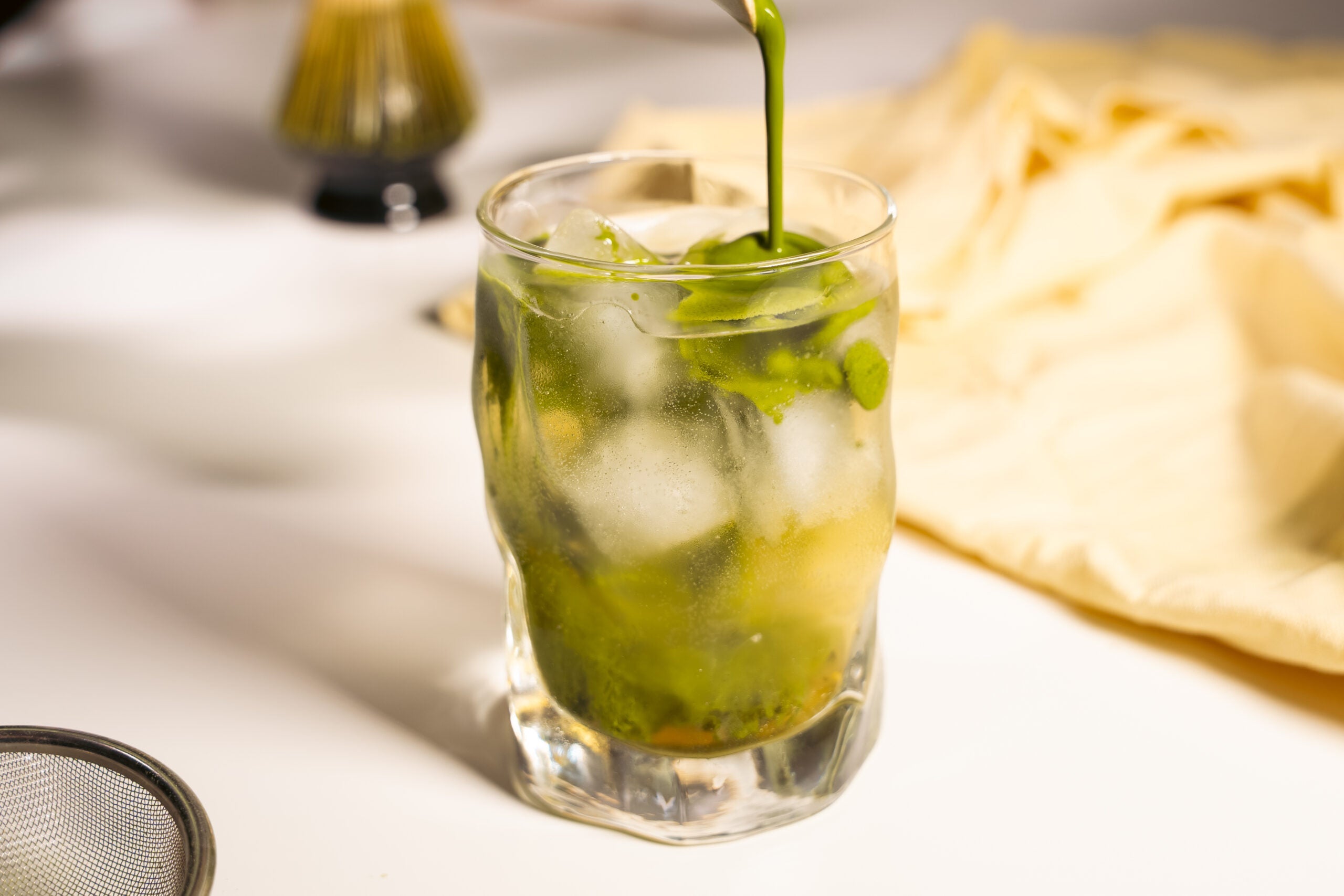
A sparkling refresher for the hottest days. Homemade jasmine syrup, fizzy bubbles, and vibrant green matcha come together in one glass to create a drink as light as a summer breeze. Jasmine's flor...
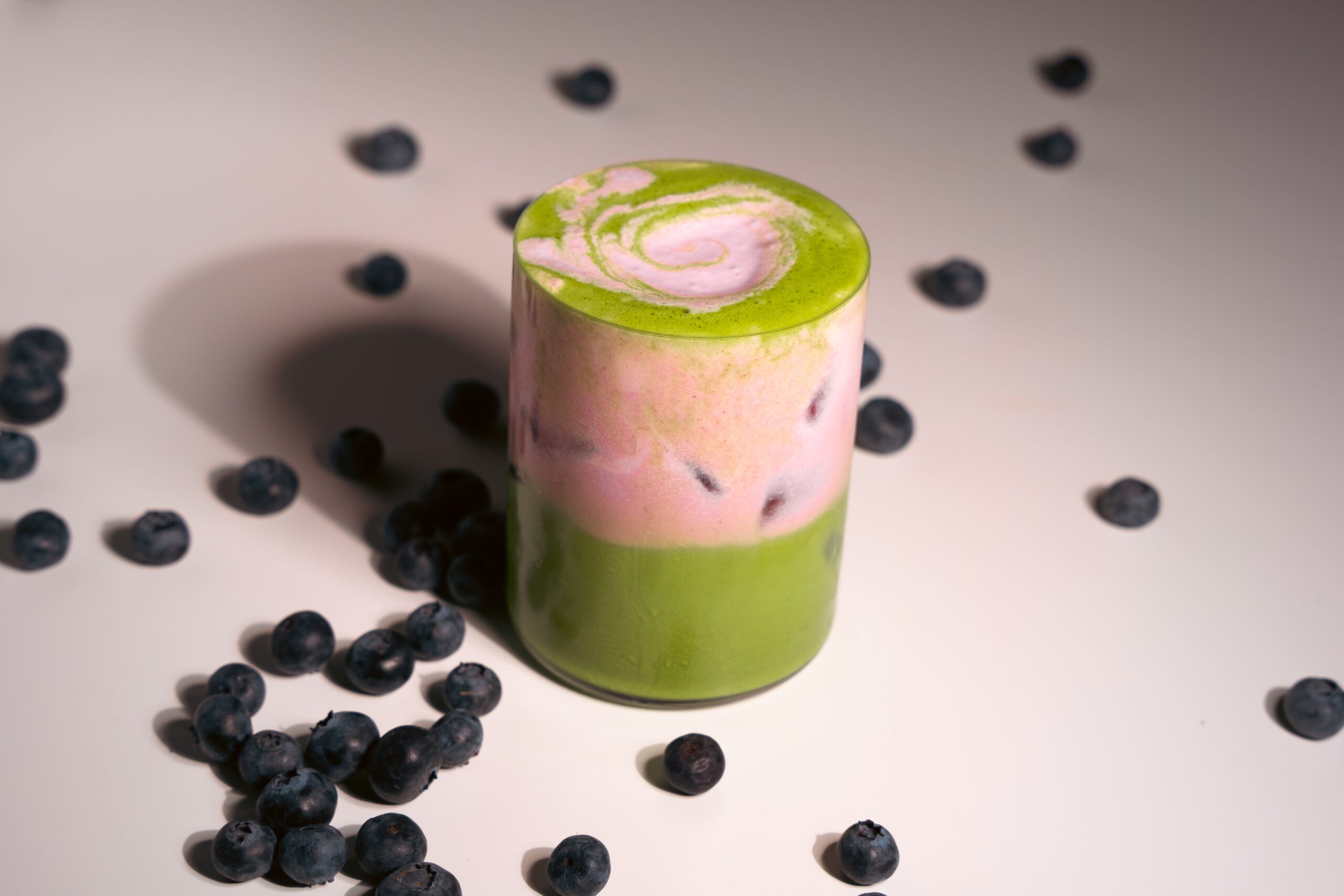
Iced matcha that looks like a summer sunset captured in a glass. A layer of cool milk, vividly green matcha, and a fluffy blueberry foam on top come together to create a drink that's every bit as b...

Pack Creator
Create the perfect set
Perfect as a gift or to start your matcha ceremony journey – build a set exactly the way you want.
We share knowledge
Get to know matcha better
Does-matcha-support-weight-loss
Can a cup of matcha genuinely help with weight loss? It's a question many people searching for natural support in reducing body weight ask themselves. Matcha – powdered green tea – has grown in p...
Read
Green tea and deacidification – how it balances your body’s pH
The human body can be described as a complex piece of machinery, vulnerable to a range of factors that may disrupt its balance. One example of such disruption is bodily acidification. This state c...
Read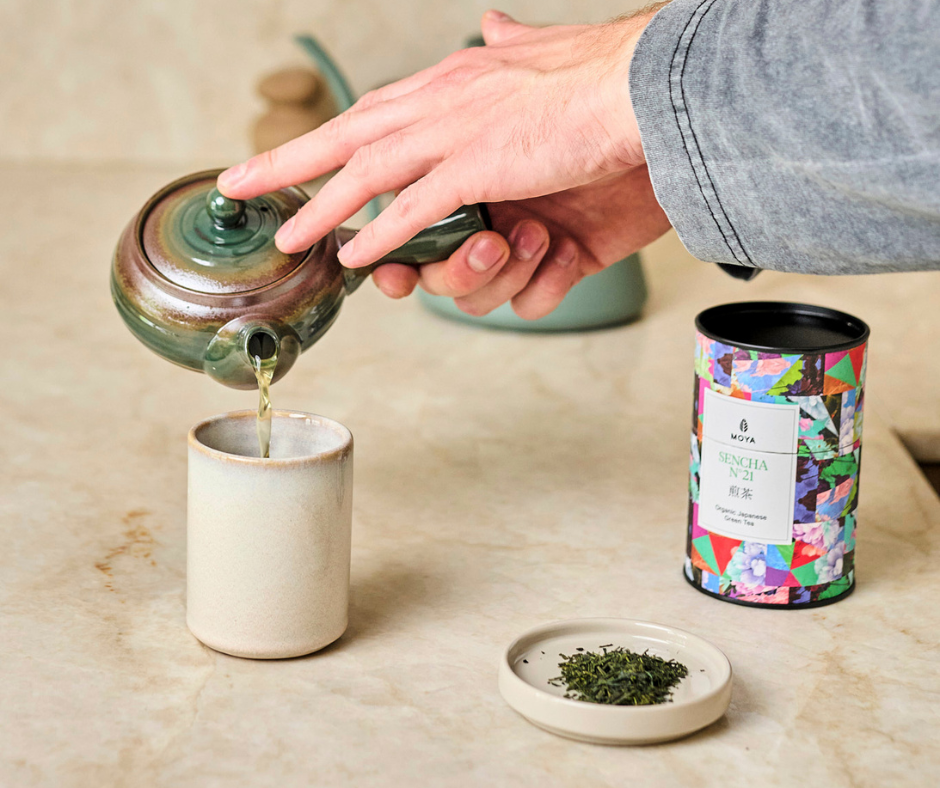
Does green tea calm you down – myth or fact?
Green tea is a genuine treasure trove of valuable nutrients and health-boosting properties. For thousands of years, it has been regarded as a remedy for body, mind and spirit. Its devotees reach fo...
Read