Does green tea energise your body?
Green tea is renowned for its wide range of valuable properties. It has antioxidant, anti-ageing, slimming, antibacterial and anti-inflammatory effects. What fewer people realise is that green tea can also give you an energy boost, and can sometimes even replace your morning coffee. So how exactly does green tea give you energy? And perhaps you're wondering – does green tea give you the same boost as coffee? You'll find the answer below.
The energising effect of green tea
Green tea does indeed have an energising, stimulating effect. This comes from the caffeine (also known as theine) found in the tea leaves. Does theine in green tea work the same way as the caffeine found in coffee? Not entirely. One key difference is that the caffeine in green tea is released slowly. This means the energising effect is much gentler and longer-lasting. Drinking green tea also carries no risk of the typical side effects associated with coffee, such as overstimulation, unpleasant jitteriness or nervousness. This is all thanks to L-theanine, an amino acid found in tea leaves. L-theanine extends the effect of caffeine, prolonging the energy boost for up to 6 hours. It also prevents the unpleasant energy crash that lovers of strong coffee often complain about.
Which green tea gives the biggest energy boost?
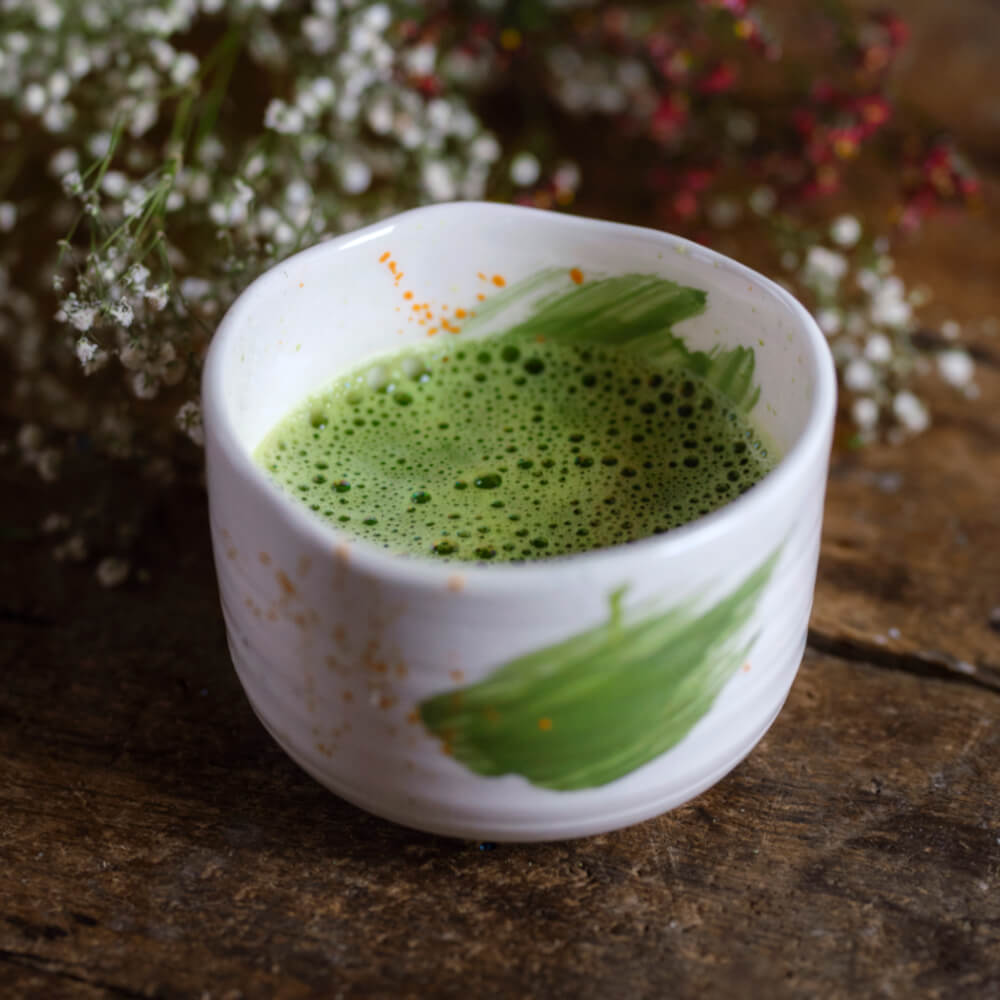
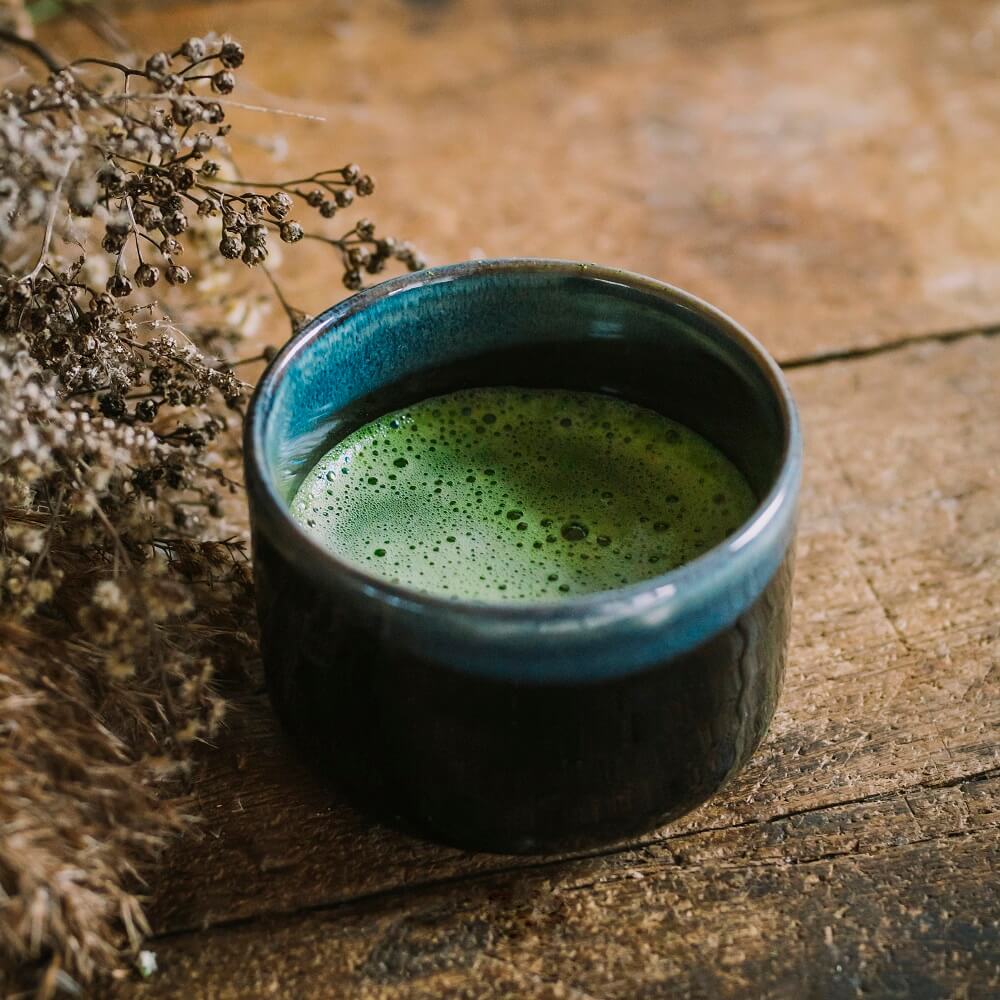
There are many varieties of green tea, each with slightly different properties – including when it comes to their energising effect. For anyone looking for an energy boost, matcha and sencha are the most highly recommended. Matcha is a powdered green tea grown using the shading method. This traditional Japanese technique involves blocking sunlight from the growing tea bushes, forcing them to increase their production of nutrients. One of these nutrients is precisely the energising caffeine. Because it's consumed as a powder, drinking matcha means consuming the whole tea leaf, rather than just an infusion. For this reason, matcha can be up to 10 times more potent than leaf tea, making it a great alternative to coffee. Thanks to the combination of caffeine and L-theanine mentioned earlier, it provides what's often called "zen energy" – a blend of focus and concentration. Meanwhile, among leaf teas (as opposed to powdered ones), sencha stands out for its high caffeine content.