Epicatechins in green tea
Epicatechins in green tea – occurrence and properties
Green tea has had devoted fans in many places around the world for centuries. People value it for its wonderful flavour, rich history, aroma and health benefits. Is this tea really so good for you? Yes, largely thanks to the catechins and epicatechins found in green tea. In the rest of this article, you'll learn what they are, what benefits they offer, and which other products, besides green tea, contain them.
What are epicatechins?
Epicatechins, like catechins, belong to the flavanol group, which in turn belongs to the broader group of organic polyphenolic compounds. Among flavanols, we can distinguish:
- Catechin (read more about catechins in green tea)
- Epicatechin
- Epigallocatechin gallate – the main polyphenol found in green tea, known by the abbreviation EGCG
Flavanols are also part of the wider flavonoid group, which includes compounds such as anthocyanins, flavones, isoflavones and others. Flavonoids have antioxidant, anti-inflammatory and antispasmodic properties, and are found in most vegetables and fruit, making them a regular part of the average person's daily diet.
Where are epicatechins found?
Epicatechins can be found in large amounts in green tea, cocoa, dark chocolate, red wine and prune juice. Beyond that, they're also present in smaller amounts in fruit and barley. Foods containing epicatechins can often have a slightly bitter or sour taste. As with most foods, healthy or otherwise, it's worth remembering to keep things balanced and consume them in moderation.

The effects of epicatechins
What effect can epicatechins in green tea have on the human body?
- Early research into epicatechins found that they have a positive effect on muscle cell growth and repair
- They have antioxidant properties
- They may help prevent cardiovascular disease
- The presence of epicatechins in the gut may bring about positive changes in gut microbial populations
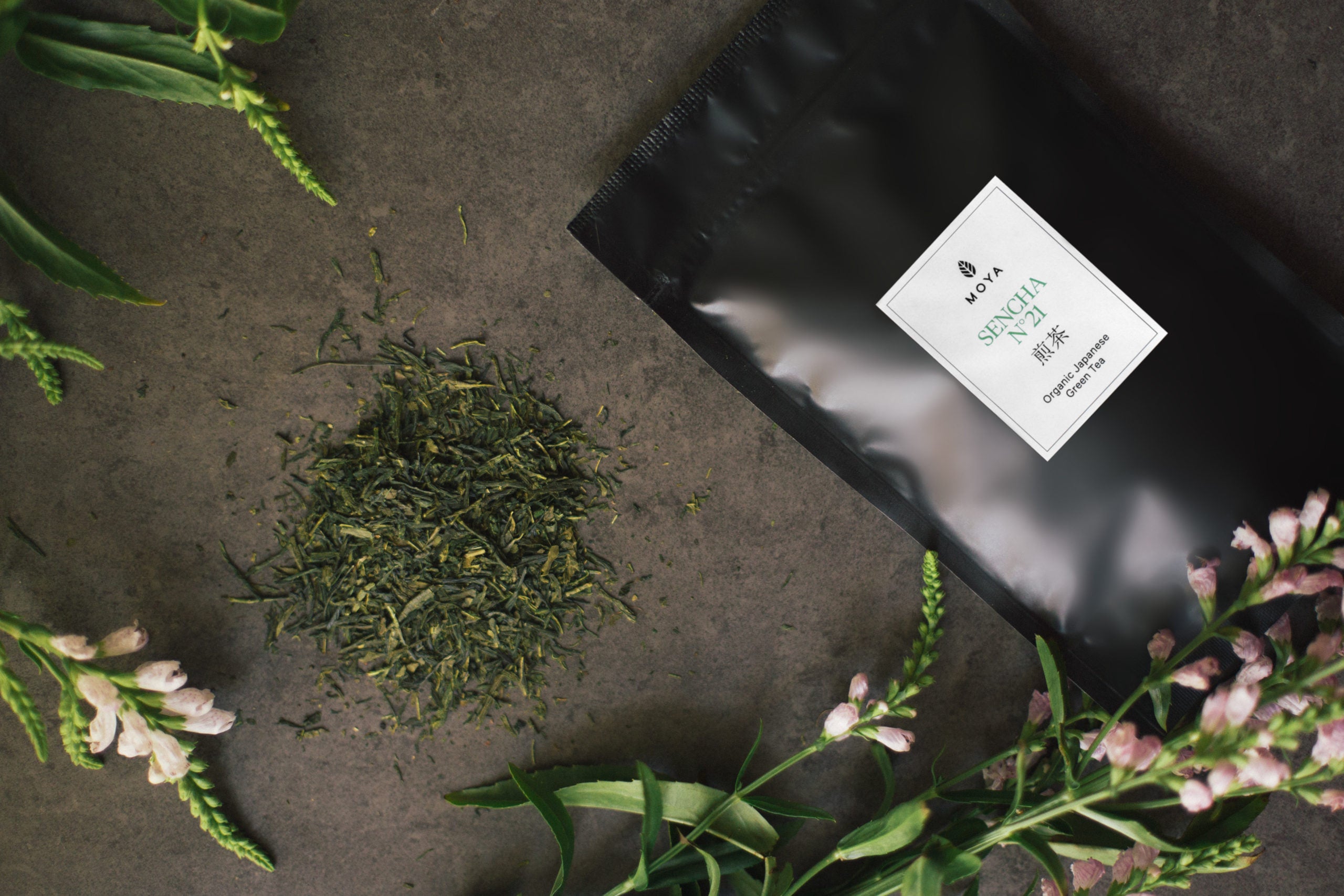
When buying green tea, it's important that it's of high quality. An organic certification can help confirm this. Green teas without additives will have a higher concentration of nutrients. It's also worth remembering to prepare the tea correctly – this information is usually found on the packaging.
Summary
Green tea is rich in flavonoids, which belong to the group of organic polyphenolic compounds. More specifically, it contains catechin, epicatechin and epigallocatechin gallate. Green tea is rich in all of these compounds, which means drinking it can have a beneficial effect on health. Epicatechins in tea have a positive effect on muscle cell growth and repair. When buying green tea, it's important to check its origin, and whether it's organic and certified.