The most expensive tea in the world
Which is the most expensive tea in the world?
The world's most expensive tea bears little resemblance to the prices we're used to seeing on shop shelves. The Chinese tea Dà Hóng Pao, also known as "rock tea", reached a price of 6,000 PLN per gram back in 2002. So where does this price come from? Rock tea grows within a nature reserve, where no non-organic substances of any kind can be used. Its bushes have a thousand-year history, and only 6 mother trees still grow on the cliffside within the reserve, treated as national treasures. The authorities of Wuyi City have banned picking leaves from these bushes altogether, and the last harvested batch was sent to the Palace Museum in Beijing.
Today, Dà Hóng Pao tea comes from cultivated plants bred to share the characteristics of the original trees, and it still remains one of the most expensive teas in the world. Japanese teas, which are also known for their high quality, don't quite reach such astronomical prices. Among the most valuable teas from the land of the rising sun are gyokuro and temomi cha – hand-rolled sencha.
Read on to find out what actually determines the price of tea.

What determines the price of tea?
There are several factors that affect the value of dried tea, including:
- Processing techniques – machines are widely used today, so tea processed by hand has become significantly more valuable
- Harvest timing – every type of tea has its own ideal harvest window; for Japanese teas, this is spring, and the earlier and fresher the harvest, the higher the price. Some types of tea are only harvested once a year.
- Variety and prestige – certain varieties have built up a strong reputation over time, even when they're similar to cheaper alternatives
- Growing method – organic cultivation requires greater care and certification, and involves no pesticides or other chemical treatments, which means it will always carry a higher value
- Import costs – tea prices in Poland also include import costs, since our climate doesn't allow tea to be grown domestically
The most highly prized Japanese teas
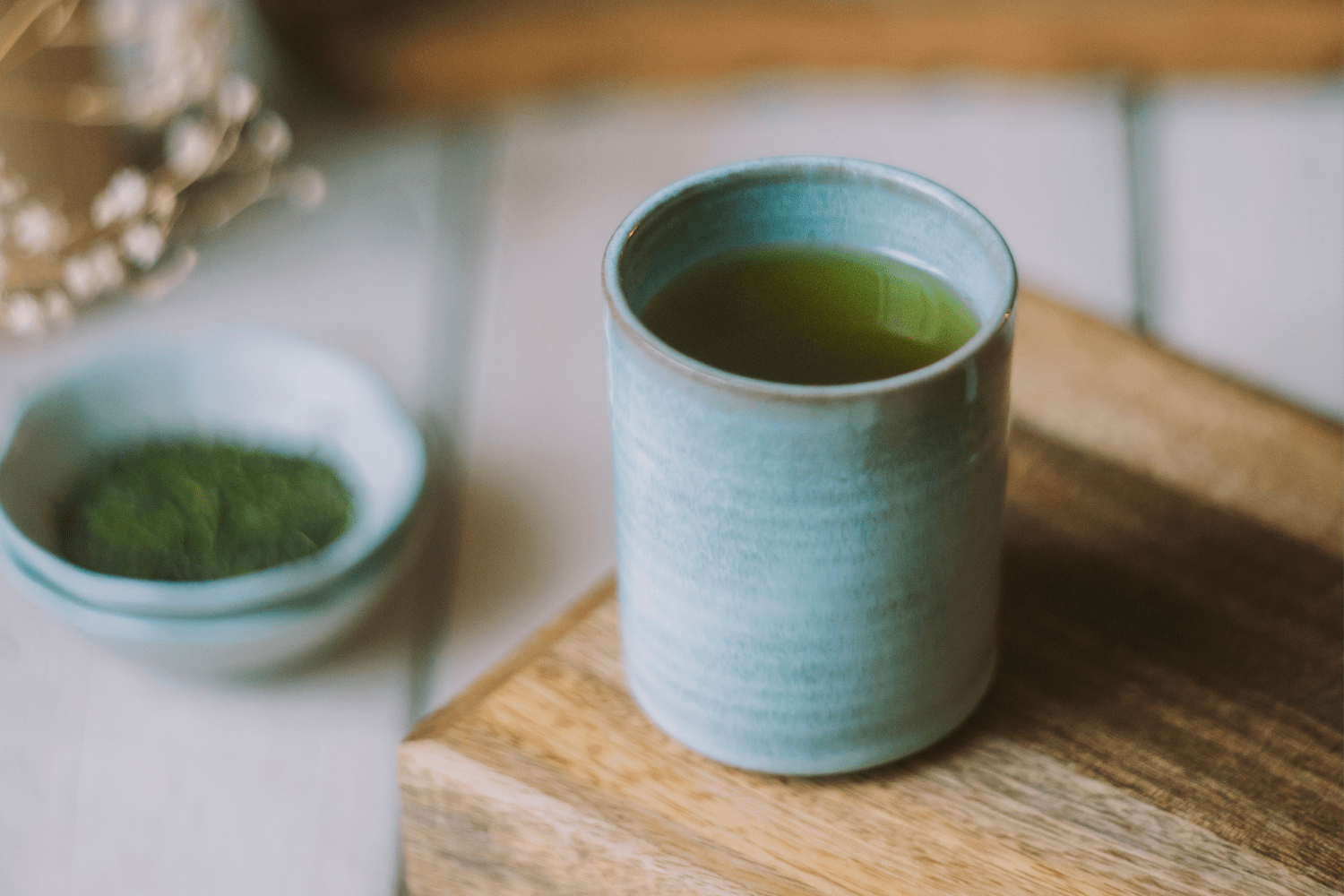
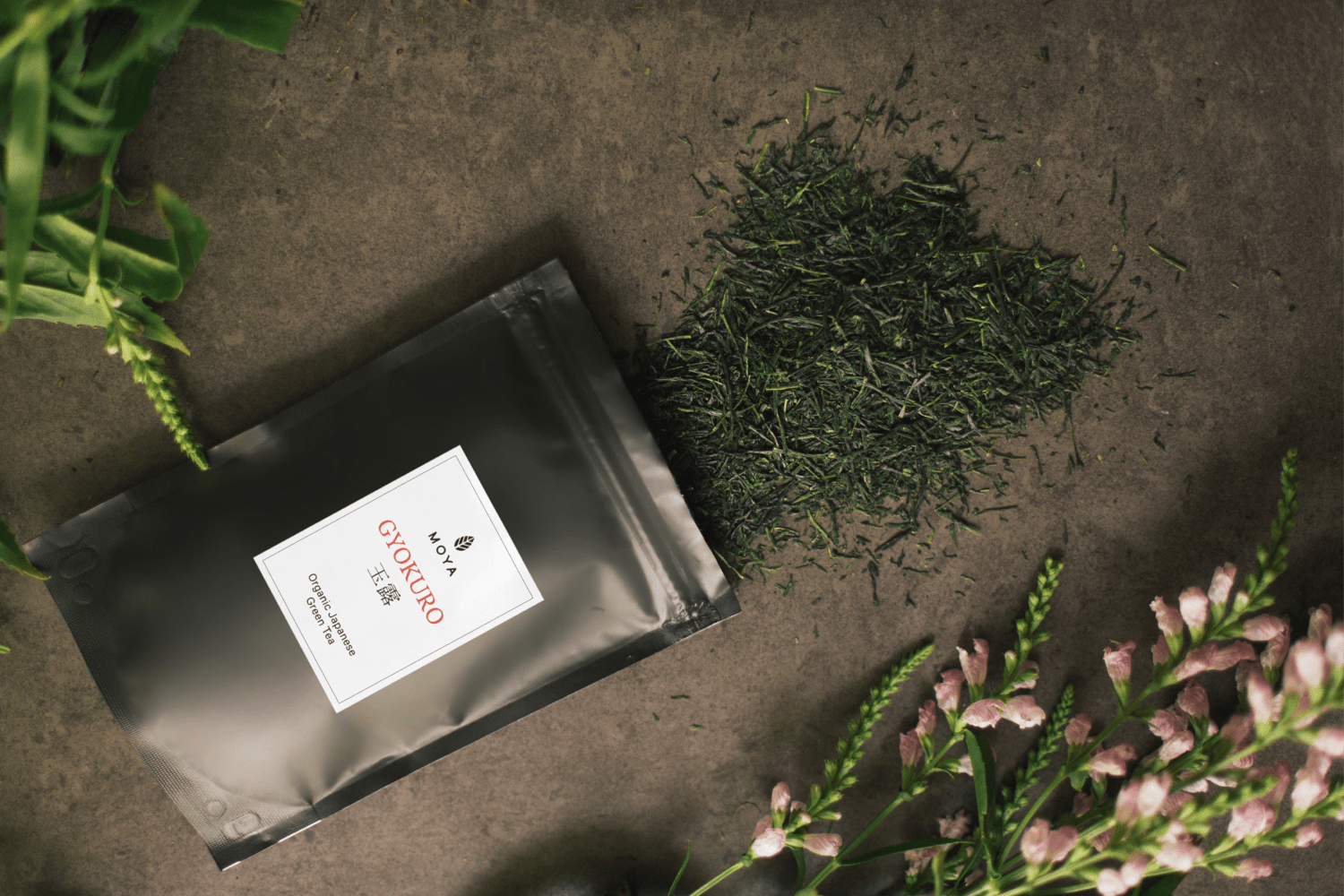
As you may have read earlier, one of the most highly prized Japanese teas is gyokuro. Its name loosely translates to "dewdrop", named for the shape of the tea leaves once dried, and the green colour of the brewed tea. Gyokuro is a green tea whose uniqueness lies in its production process, giving it an unmistakable, intense flavour with a hint of sweetness and the fifth taste, umami. The infusion has an intensely green colour, thanks to the high chlorophyll content in the tea leaves.
Moya's gyokuro green tea is grown in the Kagoshima region, in the south of Japan's Kyushu island. About three weeks before harvest, growers cover the bushes with special mats and keep them shaded. During this process, compared to unshaded cultivation, the leaves produce more chlorophyll, amino acids and caffeine, which later remain present in gyokuro's leaves. Find out how much this tea costs here. Another tea that stands out for both its quality and price is good-quality matcha. We say "good-quality" deliberately, because you can sometimes come across very cheap matcha. It's worth bearing in mind that this is usually tea from a later harvest, with a brownish colour and a fishy aftertaste.
Moya Matcha comes from organic farms in Uji, Japan, and undergoes extensive checks to meet organic certification standards. Good-quality matcha is one hundred percent worth its price. It's a versatile product that can be enjoyed hot, cold, with milk, or even added to desserts. Read more about the matcha effect.