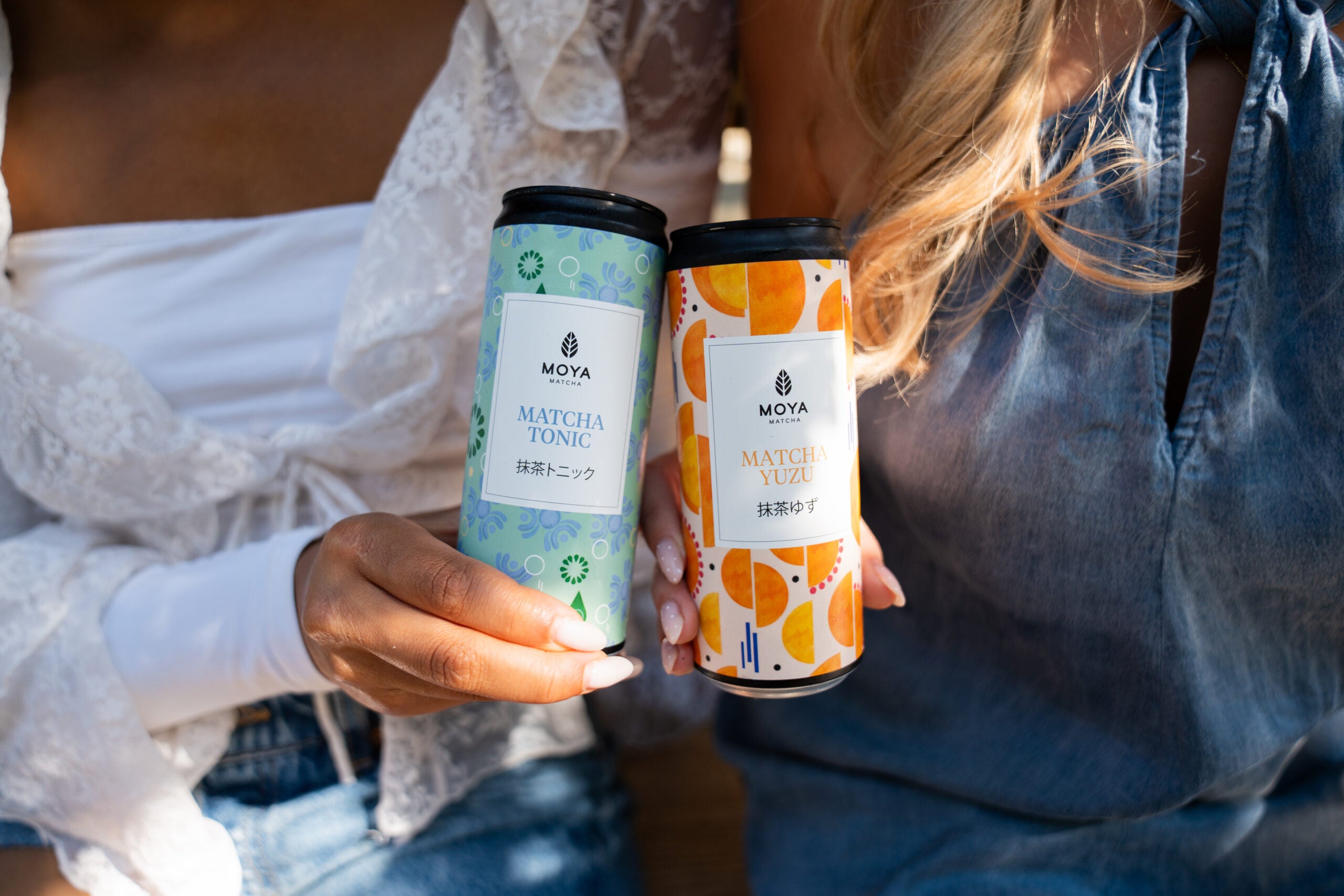


Find exactly what you need
Product categories

Matcha
See
Loose leaf teas
See
Hojicha
See
Accessories
See
Matcha sets
See
Loose leaf tea sets
See
Matcha products
See
Matcha add-ons
SeeBestsellers
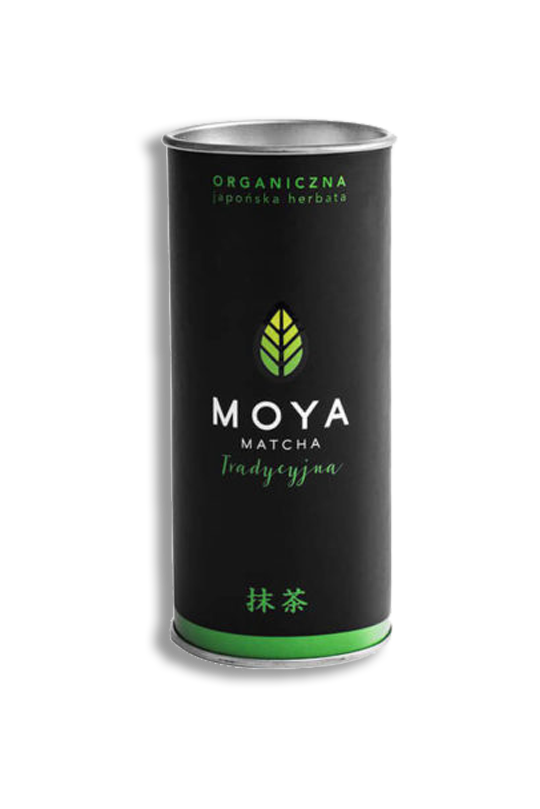


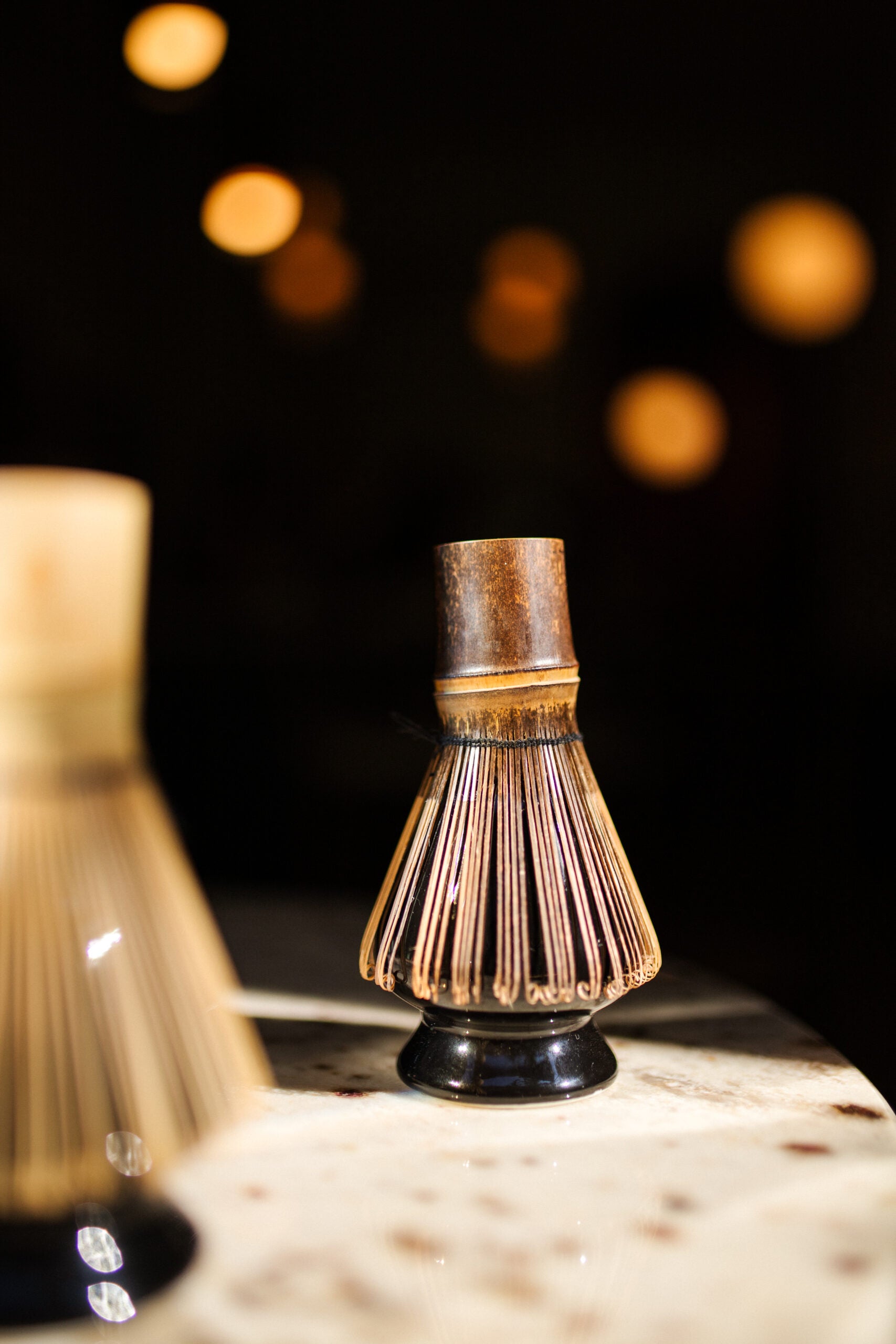


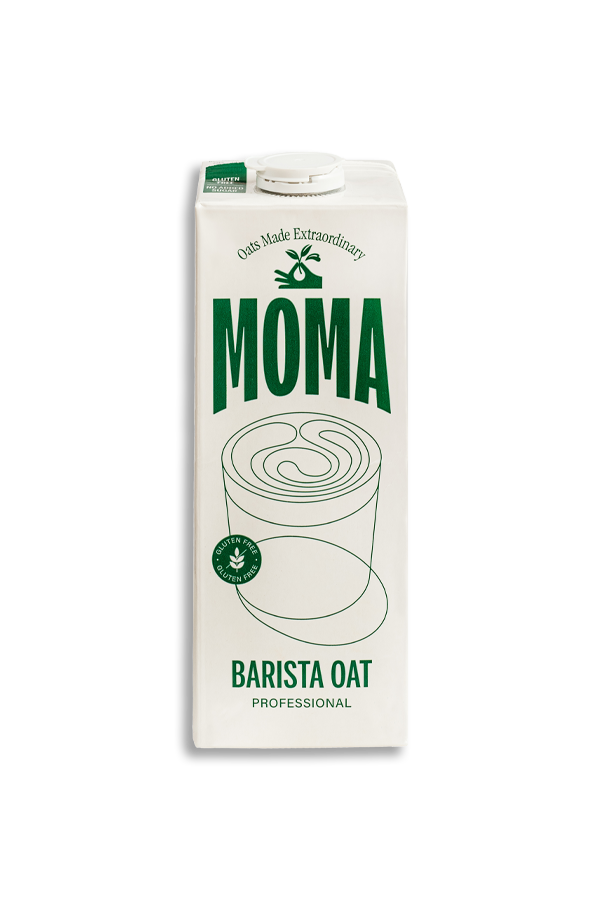


Pack Creator
Create the perfect set
Perfect as a gift or to start your matcha ceremony journey – build a set exactly the way you want.
Which matcha is for you?
Four types, one ritual
From ceremonial to culinary matcha - choose the matcha that suits how you drink it.
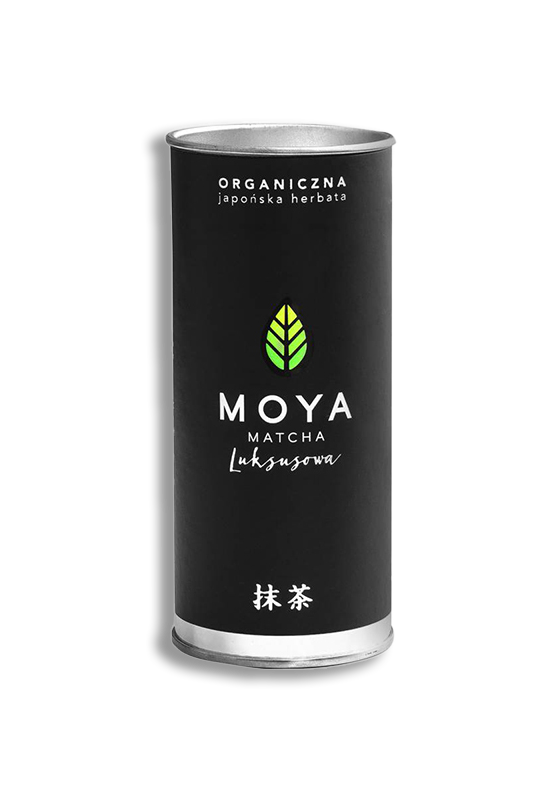
Luxurious
Tea gathering · tea ceremony
Sale priceFrom 100,00 zł
Traditional
1st and 2nd collection · tea ceremony, matcha latte
Sale priceFrom 69,00 zł
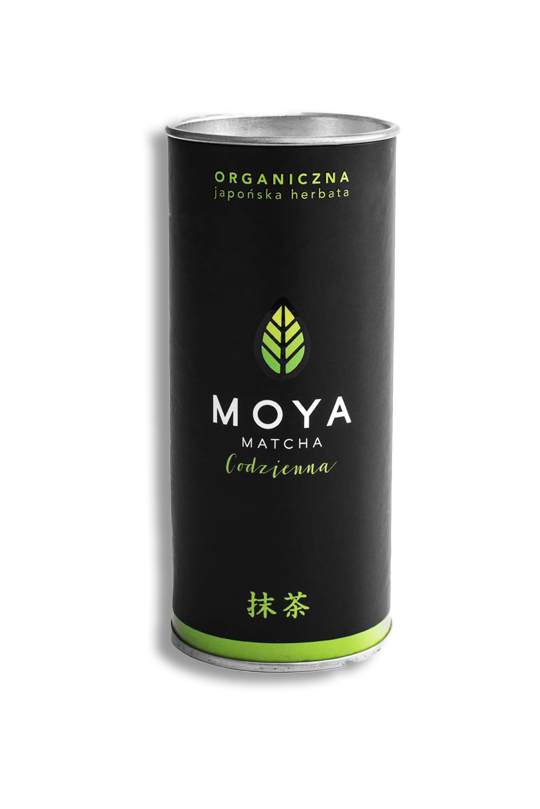
Daily
Volumes II and III · matcha latte, pastries and desserts
Sale priceFrom 45,00 zł
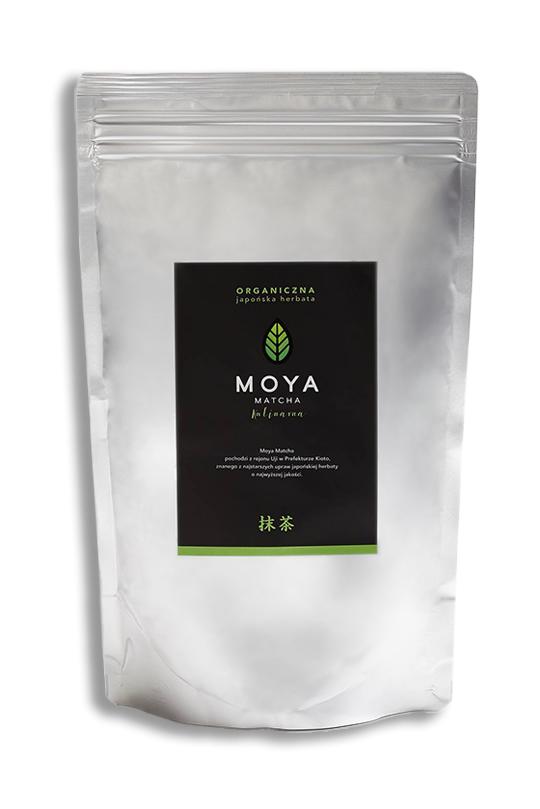
Culinary
Volume III · baked goods and desserts
Sale priceFrom 59,00 zł

Promotions
Chasen for 1 PLN
When purchasing 100 g or 250 g of matcha, we add
a bamboo whisk for 1 PLN
WE SHARE KNOWLEDGE
From our blog
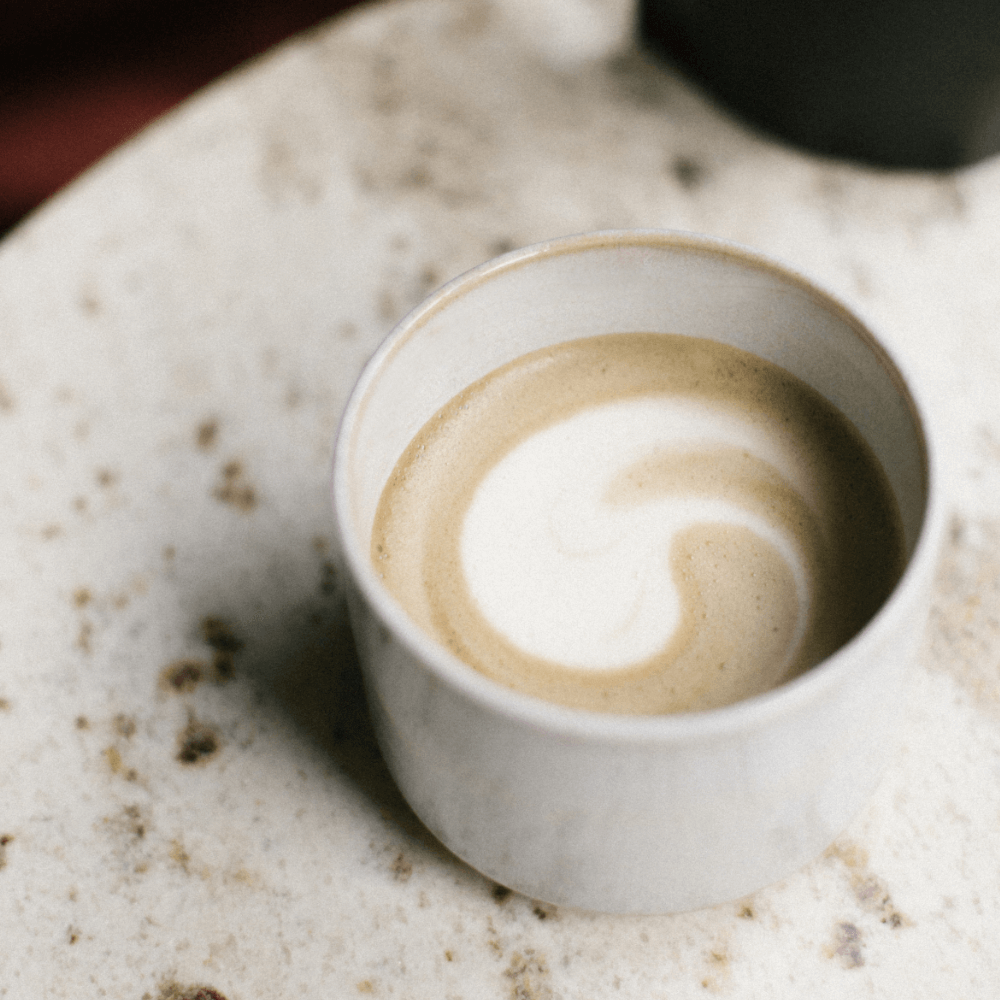
Hojicha latte has plenty of fans all over the world. It's made using powdered hojicha, a little water, and frothed milk. But before we get to drinking it, it's worth explaining what this powder act...
Read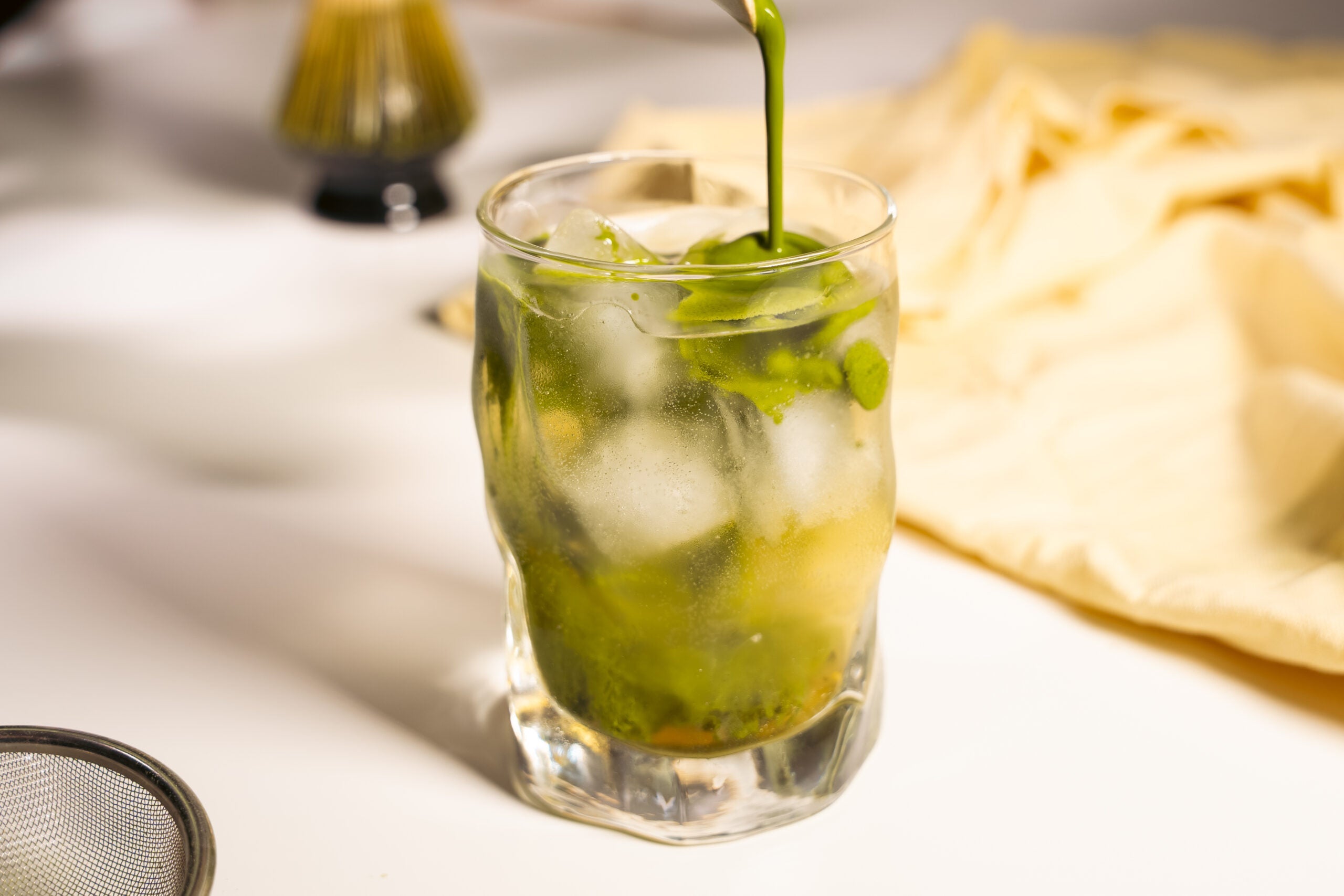
A sparkling refresher for the hottest days. Homemade jasmine syrup, fizzy bubbles, and vibrant green matcha come together in one glass to create a drink as light as a summer breeze. Jasmine's flor...
Read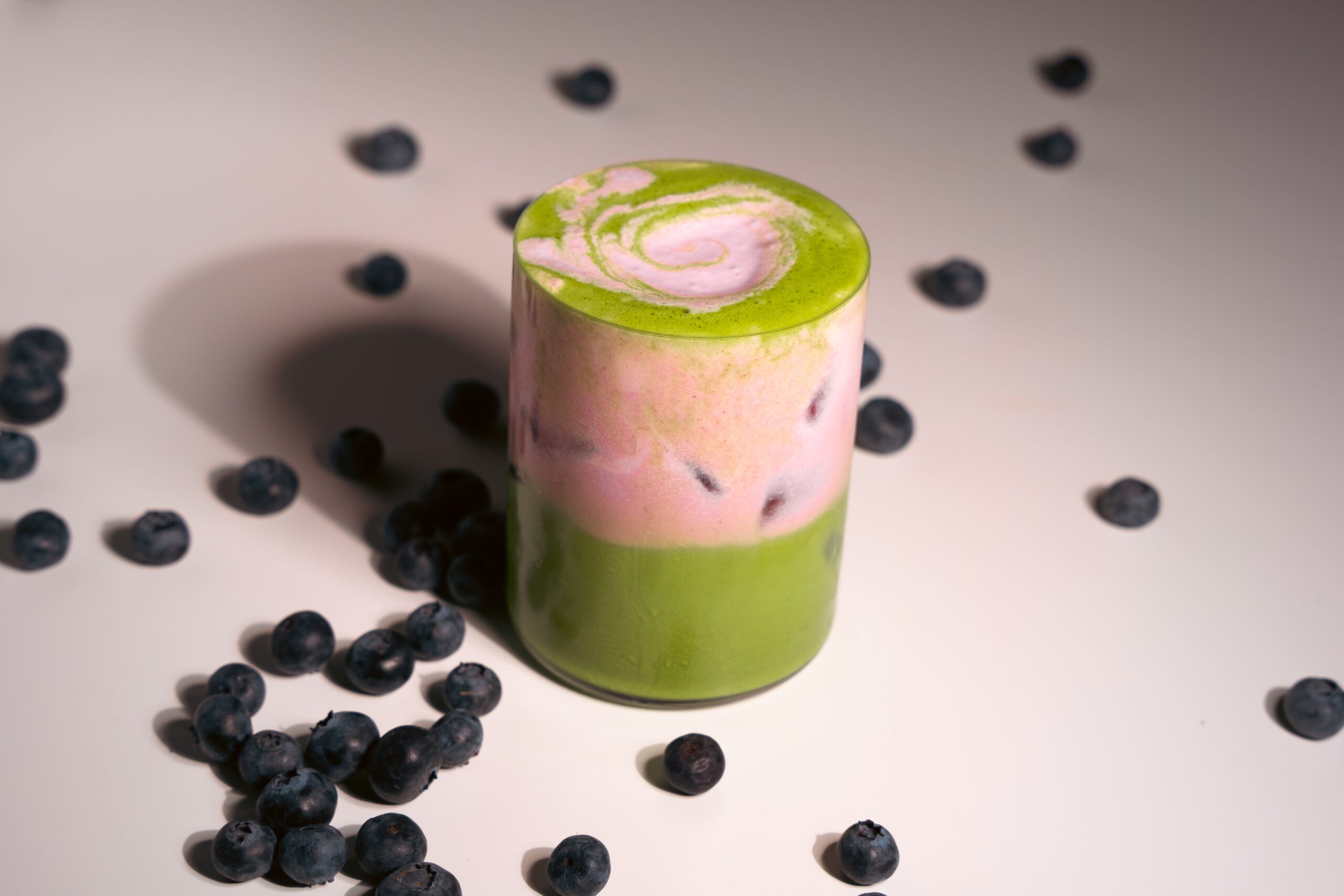
Iced matcha that looks like a summer sunset captured in a glass. A layer of cool milk, vividly green matcha, and a fluffy blueberry foam on top come together to create a drink that's every bit as b...
ReadFAQ
Would you like to learn more?
We suggest three ways to prepare matcha. The first is the traditional preparation in a bowl using a chasen whisk, using “M” or “Z” shaped motions. Matcha can also be prepared in a mug or bowl using a milk frother. The third way is to prepare matcha in a shaker or bottle – simply add the matcha to the liquid and shake vigorously for 30 seconds. The optimal water temperature for matcha is approximately 80°C. Higher temperatures will cause the matcha to lose its nutritional value. You can also easily prepare matcha in cold water. The optimal amount of matcha is about 1.5 g of powder per 200-250 ml of liquid.
The most versatile and frequently chosen option is Traditional Matcha. It comes from the first and second harvest of leaves, which contributes to a moderate level of bitterness and a distinct umami taste. It is an excellent choice for drinking with water as well as in the form of matcha lattes and smoothies. For experienced matcha connoisseurs, we recommend Luxury Matcha from the first harvest, which is perfect for drinking with water and contains the most nutrients. If you like an intense flavor and use matcha mostly for matcha lattes, smoothies, desserts, and baked goods, choose Daily Matcha, which comes from the second and third harvest.
Matcha is very sensitive to sunlight and high temperatures, which can cause it to lose its properties. Matcha should be stored in its original, sealed packaging in a shaded, cool place, preferably in the refrigerator. This will ensure it stays fresh for a long time.
Loose-leaf tea is consumed as an infusion, meaning what the leaves release into the water. Matcha, on the other hand, consists of powdered tea leaves that are consumed in their entirety after being mixed with liquid. By drinking matcha, you are therefore consuming the whole leaves. In this way, all the nutrients contained within them enter your body. Furthermore, matcha is several times more potent than loose-leaf tea.