Teas that help you relax
Why do we reach for tea?
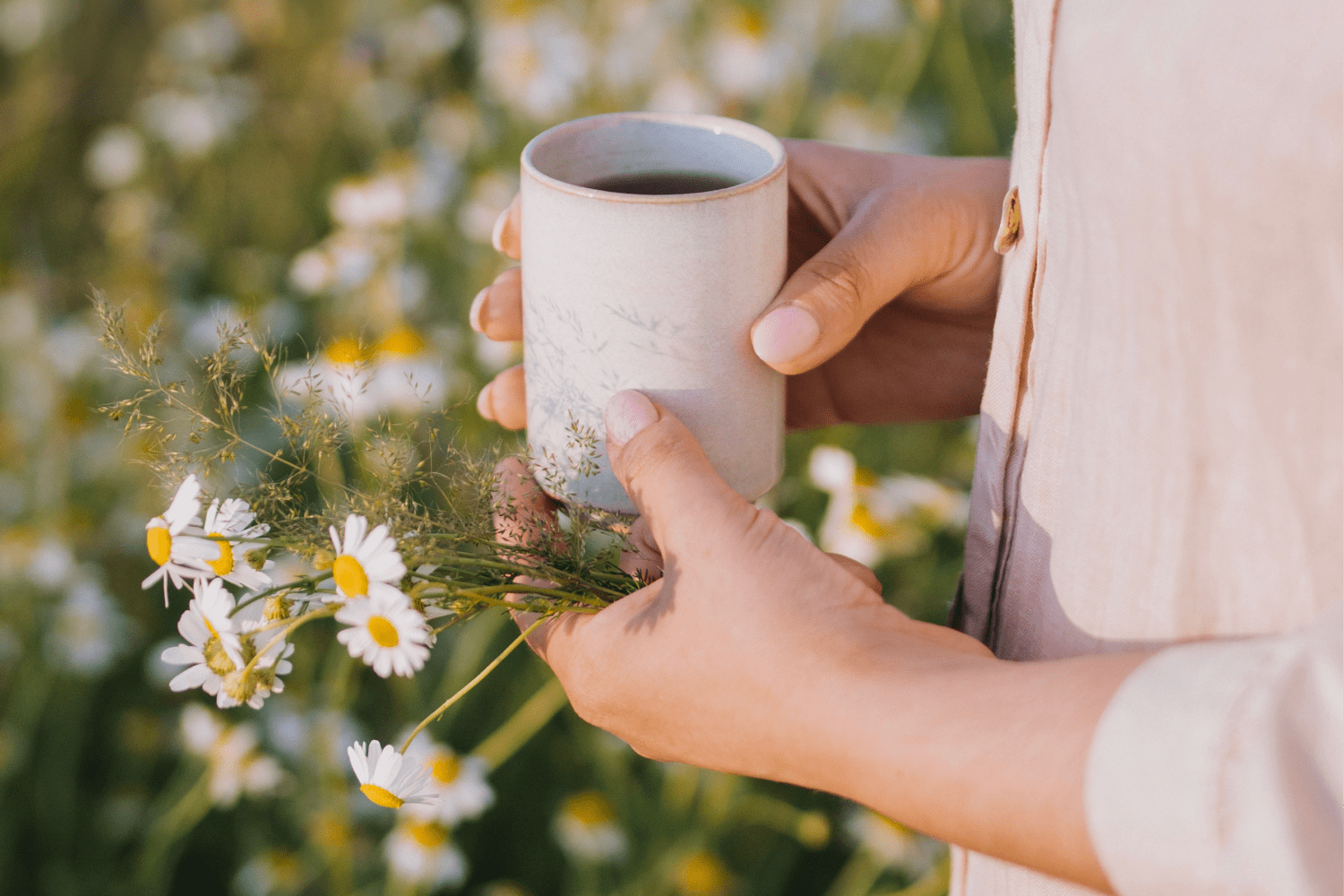
Tea has had a place in Polish homes for a long time – some people start their day with it, use it as a coffee substitute, or drink it with lunch or in the evening. The world of tea is incredibly varied, especially once you factor in additions like sweeteners, fruit, ice, milk and much more. When you reach for coffee, you know it's going to give you an energy boost, whereas expectations around tea are often quite different. Tea, especially green tea, is often portrayed as an inseparable part of meditation, Eastern culture, zen, and calm. It's also served during visits to wellness centres and spas. However, if you're reaching for tea specifically to help you relax, it's worth knowing which varieties are lower in caffeine and theine. Read on to find out what caffeine and theine actually are.
Caffeine and theine in tea
Interestingly, caffeine and theine are actually the same substance – the name simply changes depending on its source. The caffeine found in tea is called theine, even though it's the very same chemical compound. Their effects are almost identical: they stimulate the central nervous system, improve mood and focus, and have a positive effect on memory. However, theine from tea is absorbed more slowly than caffeine from coffee, which means its effects are felt more gently. That said, if you struggle with high blood pressure or are particularly sensitive to caffeine, it's worth remembering to enjoy these drinks in moderation, since safety and wellbeing always come first. What affects theine content in tea? Harvest time plays a big role – tea leaves picked earlier will have more stimulating properties – and a lot also depends on the amount of dried tea used, brewing time, and water temperature. If you're looking for a drink with no theine at all, herbal teas or calming infusions for adults are a better choice.
How to brew tea
To prepare tea correctly, it's best to follow the instructions on the packaging. The amount of dried tea, the water temperature and the brewing time all matter a great deal. If you're after a calming green tea, it's better not to brew it for too long, as this increases its caffeine content, giving the opposite effect to what you're after. A longer brewing time will also make the infusion more bitter. Japanese green teas are known for their delicate flavour and intense aroma, so the water used for brewing should be around 80 degrees. Once used, the leaves can usually be brewed several more times, with the tea tasting slightly different with each infusion – something zero-waste fans will appreciate!
Which teas help you relax? – Kukicha and hojicha
What makes them so special? They're well worth reaching for if you're looking for a calming tea. Green teas generally do contain caffeine, but these two have exceptionally little. Hojicha is a roasted green tea unlike any other. Through the roasting process, it loses almost all of its caffeine, while gaining a pleasant, sweet scent and a nutty, smoky aroma. It's also available in powdered form – hojicha powder – which can be enjoyed with milk as a hojicha latte. This drink can be enjoyed just like a caffeine-free coffee, or a lower-calorie cocoa. Kukicha, meanwhile, is a tea made mainly from the twigs and stems of the tea bush. These parts of the plant contain very little caffeine, which is why it's often recommended for anyone avoiding it. Thanks to its mild, slightly citrusy flavour, kukicha is also wonderful for cold brewing, making a delicious, refreshing tea for warm days.
Does matcha have calming properties?
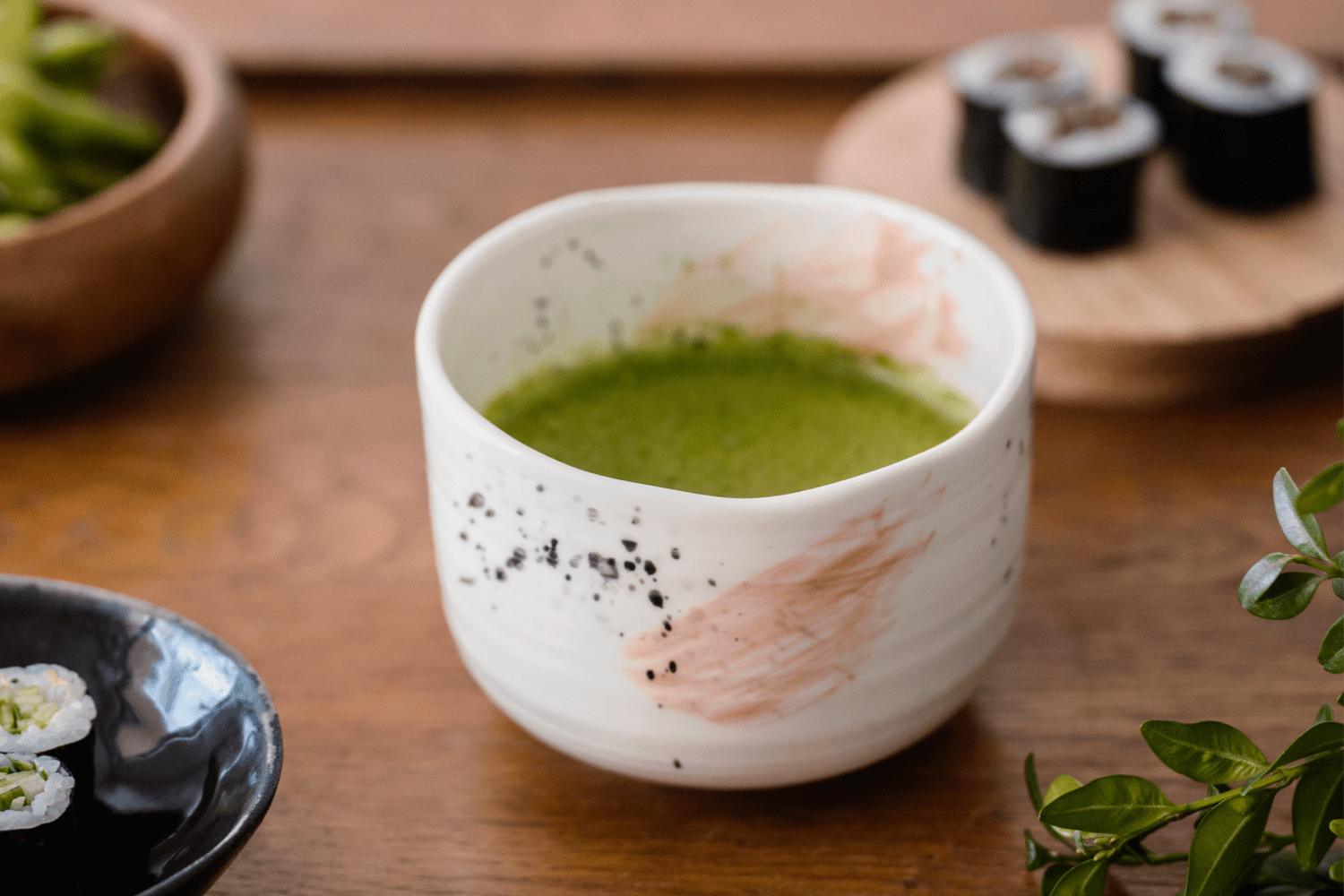
If you're looking for a tea to help with stress and nerves, matcha might not seem like the most obvious choice, given its high theine content. Matcha is a powdered green tea grown using the shading method. Thanks to this special cultivation process, it gains a wealth of nutrients. After harvesting, the leaves are dried and ground into a very fine powder. When drinking matcha, you might notice a sediment left at the bottom of the bowl – it doesn't dissolve in water, and that sediment is simply the powdered tea leaves themselves. When you drink matcha, you're consuming the whole leaf, not just an infusion. This is also why it has a higher caffeine content, though it also contains L-theanine, which not only softens its effect but also makes it last longer.
Monks have been drinking matcha during meditation for hundreds of years, to maintain high energy levels and, above all, focus. This unique tea won't replace lemon balm when it comes to calming properties, but it's certainly worth swapping in for your coffee. While coffee remains the king of morning energy drinks, and people love it for its taste and quick effect, it's common to feel a sudden energy crash after drinking it. The L-theanine in matcha counteracts this effect – instead, focus and energy are gentler and last longer. For many people, the ritual of preparing matcha with a bamboo chasen whisk is calming in itself. It doesn't take much time, but it does call for care and attention, to end up with a well-whisked, delicious bowl of matcha.