What tea is drunk in Japan?
The history of tea in Japan
Green tea reigns supreme in Japan – on shop shelves, in homes, and in restaurants. It's not the only tea produced in the country, but it's by far the most popular, not just as an export product. If you've ever wondered what tea is actually drunk in Japan, the answer is: mostly green tea, usually in the form of sencha, matcha, gyokuro or hojicha. The history of this drink most likely dates back to the 8th century, when tea seeds were first brought over from China. Further records of tea appear in 1191, and by 1211 the first Japanese treatise on tea had been written, promoting its health benefits. Over time, this drink became part of everyday life, and for some, even a way of life. More and more varieties of Japanese tea emerged. Tea will taste different depending on the time of harvest, how the leaves are processed after picking, and how the tea is prepared. Today, the most commonly drunk Japanese tea is sencha, the most famous green tea in the world.

Types of tea from Japan
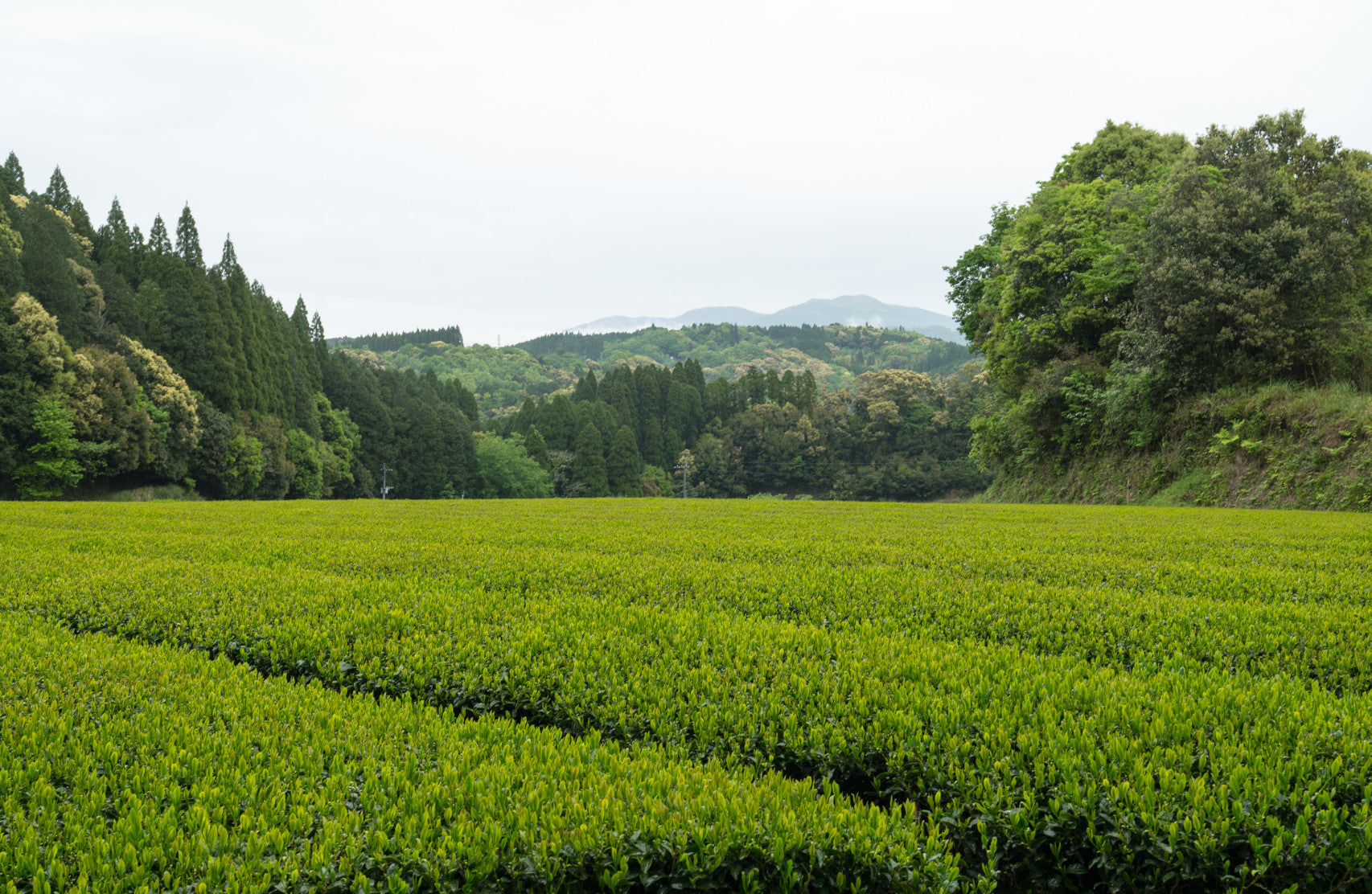
What sets Japanese teas apart from those grown in India or China? Above all, it's how the leaves are processed after picking. In China, teas are dried using woks, whereas in Japan this is done using steam. This gives the leaves a greener colour, means they brew faster, and gives them more nutrients along with a more delicate flavour. Some teas, such as matcha and gyokuro, are grown under special conditions. Their bushes are shaded for 2-3 weeks before harvest, which causes the plants to produce more chlorophyll and valuable nutrients. Because of this complex production process, matcha and gyokuro are more expensive, but they're considered among the very best teas Japan has to offer. If you're trying Japanese green tea for the first time, it's worth starting with the popular sencha – a very well-known tea, known for its fresh, grassy flavour.
For anyone looking for a lower-caffeine tea, hojicha is a great choice – a roasted green tea with a nutty, smoky flavour and a sweet aroma – as is kukicha, made mostly from the stems of the tea bush, with a wonderfully delicate flavour. A tea often found in Japanese restaurants is genmaicha. Roasted rice is added to its dried leaves, giving it a faint popcorn-like aroma and a sweetish flavour.

Uses of green tea
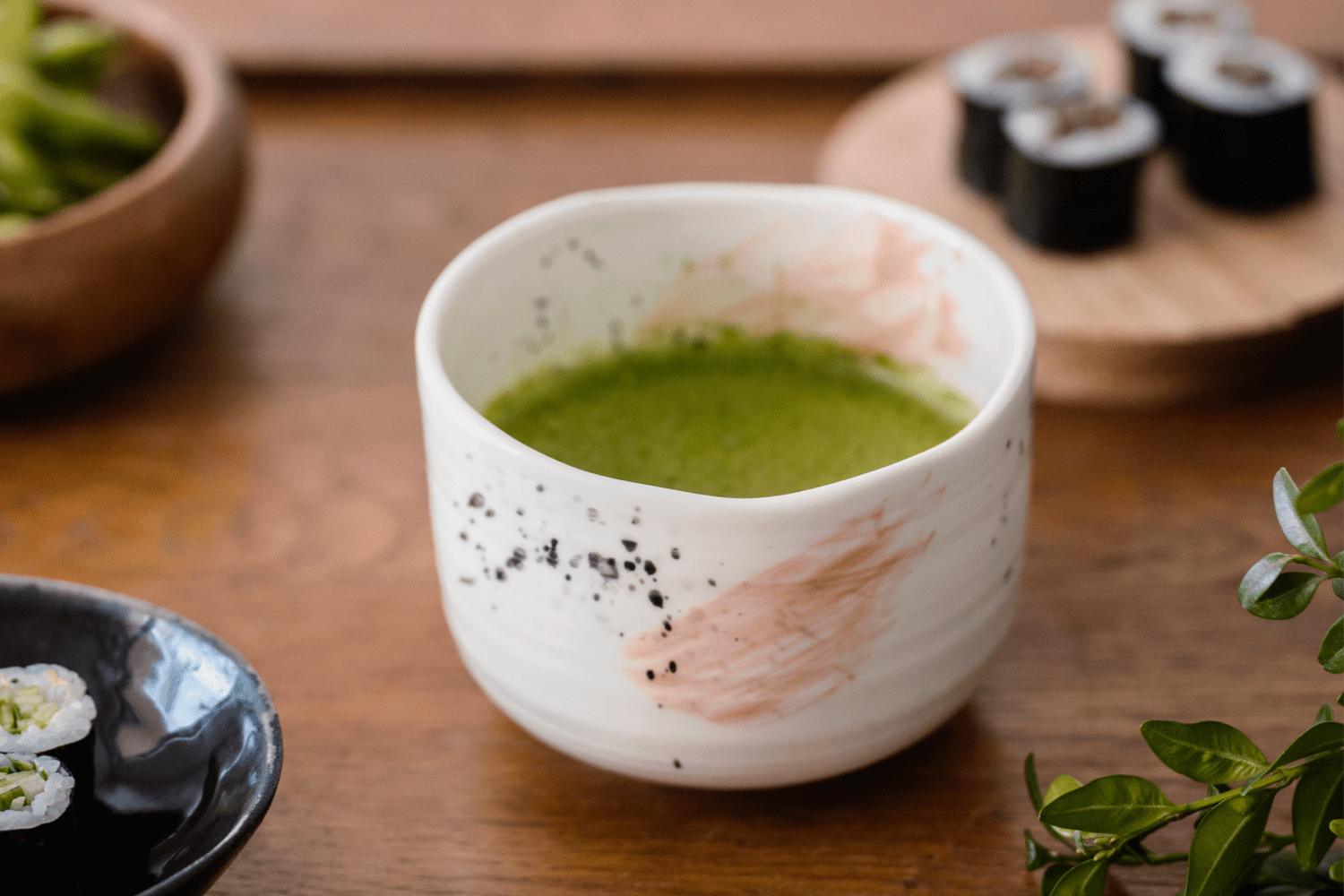
Many people first discover Japan's finest teas not through the infusion itself, but through sweets, drinks or cosmetics. Green tea's distinctive flavour, beautiful aroma and wide range of properties make it a favourite ingredient for manufacturers to add to all kinds of products. In Japan itself, it's hard to avoid coming across matcha or green-tea-flavoured sweets, ice cream, cakes and creams. Its savoury edge pairs beautifully with rich, sweet desserts. Powdered matcha tea is easy to add to desserts – Matcha Daily, from the second and third harvest, works particularly well, adding not just a beautiful colour but a truly distinctive flavour too. Take a look at our recipes for matcha cheesecake, matcha tiramisu and banana bread. They're all delicious, bringing a breath of Japanese freshness to classic desserts.