Tea cultivation – where does the best tea in the world grow?
Which countries grow tea
Walk into a shop almost anywhere in the world, and there's a near-certainty you'll find tea on the shelf. It's a plant that has become hugely popular, and the history of brewing it stretches back centuries before our era. So where does the world's finest tea actually grow – the one so many people love reaching for at any time of day? Tea bushes need very specific climate conditions, which is why there's no such thing as Polish or Canadian tea. For these plants to grow properly, they need a hot, humid climate. That's why tea is grown in subtropical, tropical and equatorial regions. The further a plantation is from the equator, the shorter the plants' growing season. The countries that produce most of the world's tea are India, Sri Lanka, China, Japan, Indonesia, Bangladesh, Kenya, Uganda, Turkey, Malawi, Iran and Argentina. Interestingly, Poland ranks among the top ten countries in the world for tea consumption.
Japan – a paradise for green tea fans
Japan is a country that runs on green tea. Its climate allows for tea harvesting from late April right through to October. The history of tea cultivation in Japan most likely dates back to the 8th century, when tea seeds were first brought over from China. Further records of tea appear in 1191, and by 1211 the first treatise on tea had been written there, promoting its benefits for the human body. Over time, this drink became part of everyday life, and for some, even a way of life. More and more varieties of Japanese tea emerged, with flavour varying depending on the time of harvest, how the leaves are processed after picking, and how the tea is prepared. Today, the most commonly drunk Japanese tea is sencha, the most famous green tea in the world. That's not to say green tea is the only thing grown in Japan, though – less well known, but equally rich in distinctive flavour, are black teas such as wakoucha.
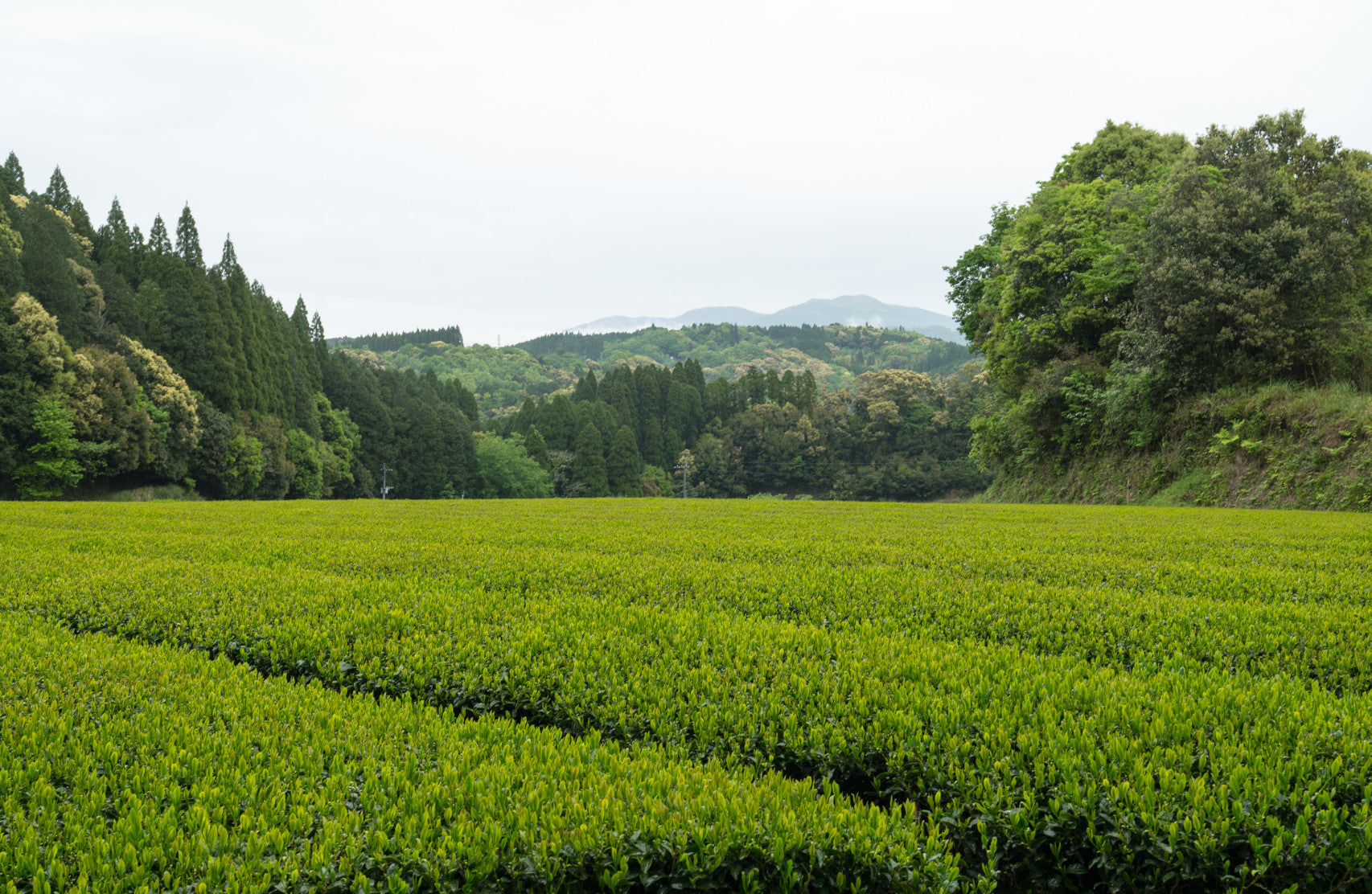
So how does tea grow in Japan? It's mostly cultivated in the southern part of the country, at lower altitudes compared to China or India, which already has a clear effect on its flavour. Tea leaves are usually harvested mechanically and then processed using steam, whereas in China they're typically pan-roasted in a wok. This method of processing, combined with unique flavour combinations and the right climate, has helped Japanese green tea win the hearts of fans both in Japan and around the world.
Types of Japanese green tea
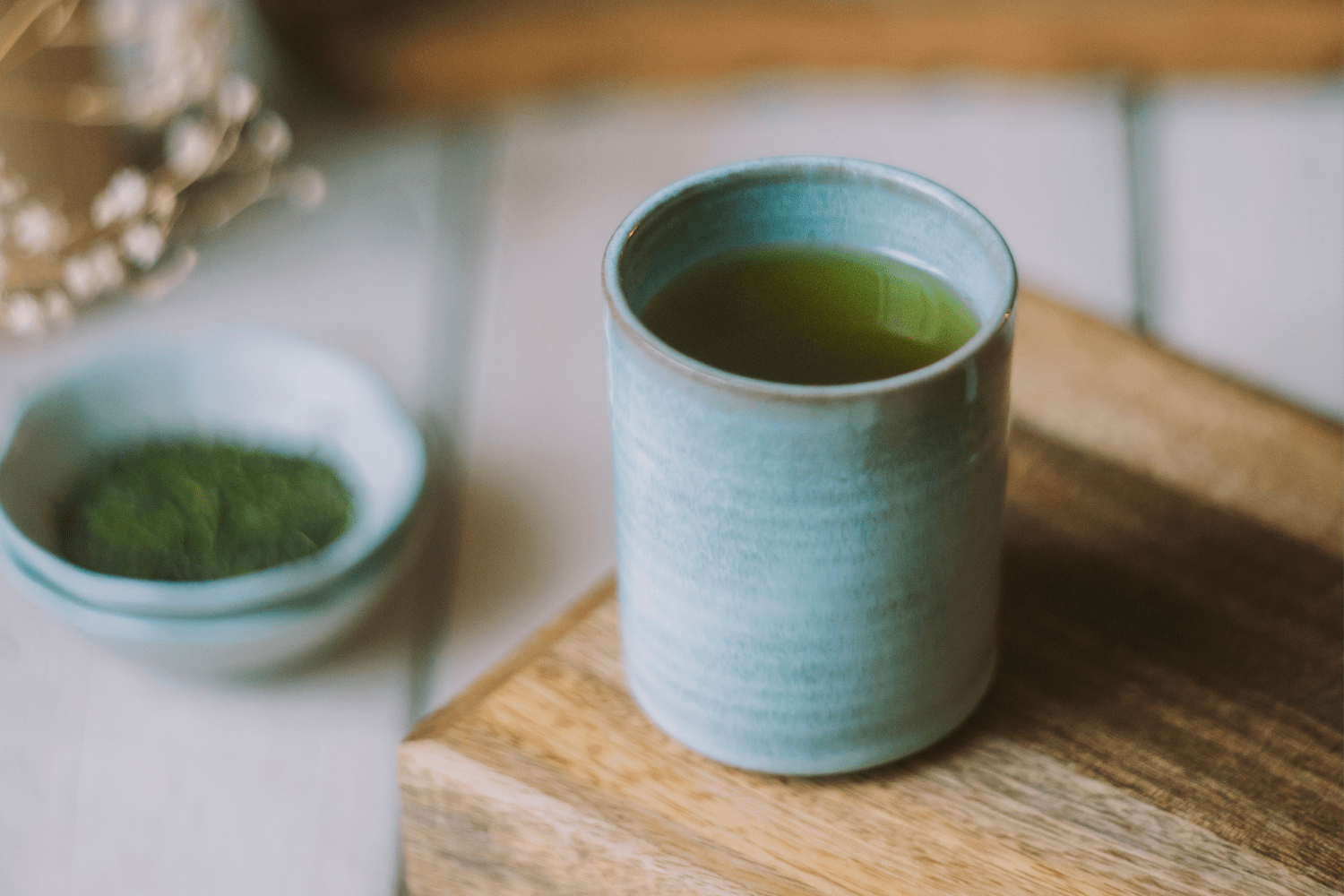
The most popular of the Japanese green teas is sencha, with its refreshing flavour and slightly straw-coloured infusion. It sometimes forms part of blends such as genmaicha, to which roasted rice is added. Sencha from a later harvest is called bancha, and is often drunk as an everyday tea. A leaf tea that's become popular recently is hojicha. Through the roasting process, it becomes sweet and aromatic, and takes on a dark colour, which sets it apart from other green teas. Another Japanese green tea is kukicha made from the twigs and stems of the tea bush. Special attention should also go to shade-grown teas, which is how gyokuro and matcha are made. These are among the most expensive, highest-quality Japanese teas, known for their health benefits and exquisite umami flavour.
Japanese matcha tea
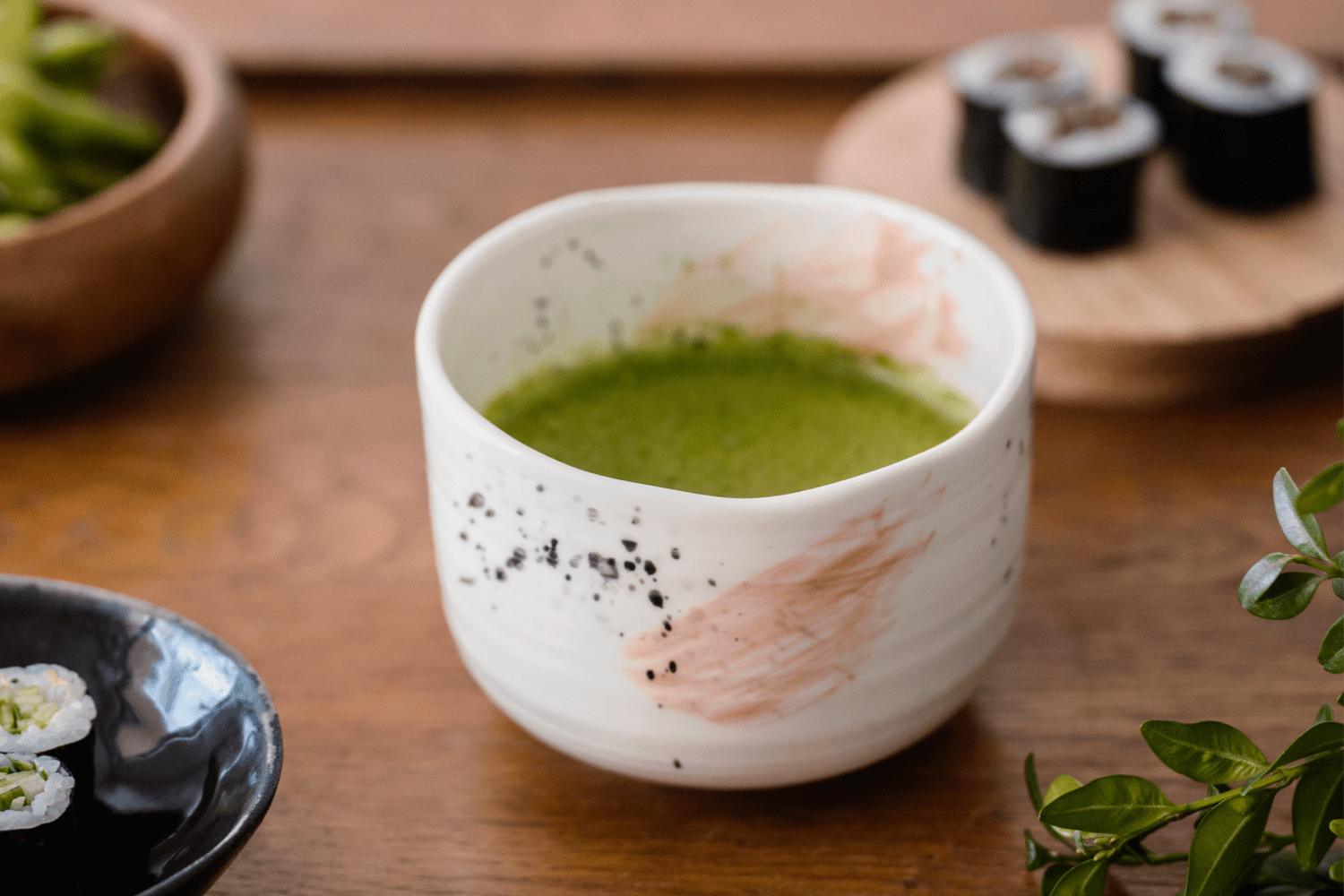
Matcha is one of Japan's specialities – a powdered green tea. However, you can't simply grind any tea to make matcha, as it needs to be grown in a very specific way. So how does matcha tea grow? Similar to gyokuro, the tea bushes are shaded for 3 weeks before harvest, often using bamboo mats. This causes the leaves to produce more chlorophyll, which is what gives matcha its intense green colour and special properties. Matcha is ground using special stone mills, into an extremely fine powder that clings to your fingertips at the slightest touch.
Preparing matcha is also quite different from preparing leaf tea – you can see the whole process here. When you drink matcha, you're consuming the whole leaf, which is why it's considered one of the healthiest teas in the world. It also makes a great coffee alternative, and is often used in desserts thanks to its powdered form and beautiful colour. Moya Matcha comes from Uji, on the island of Honshu – one of the oldest tea-growing regions in Japan, and one of the places where the world's finest tea grows. For anyone interested in Japanese culture, drinking matcha is an absolute must!